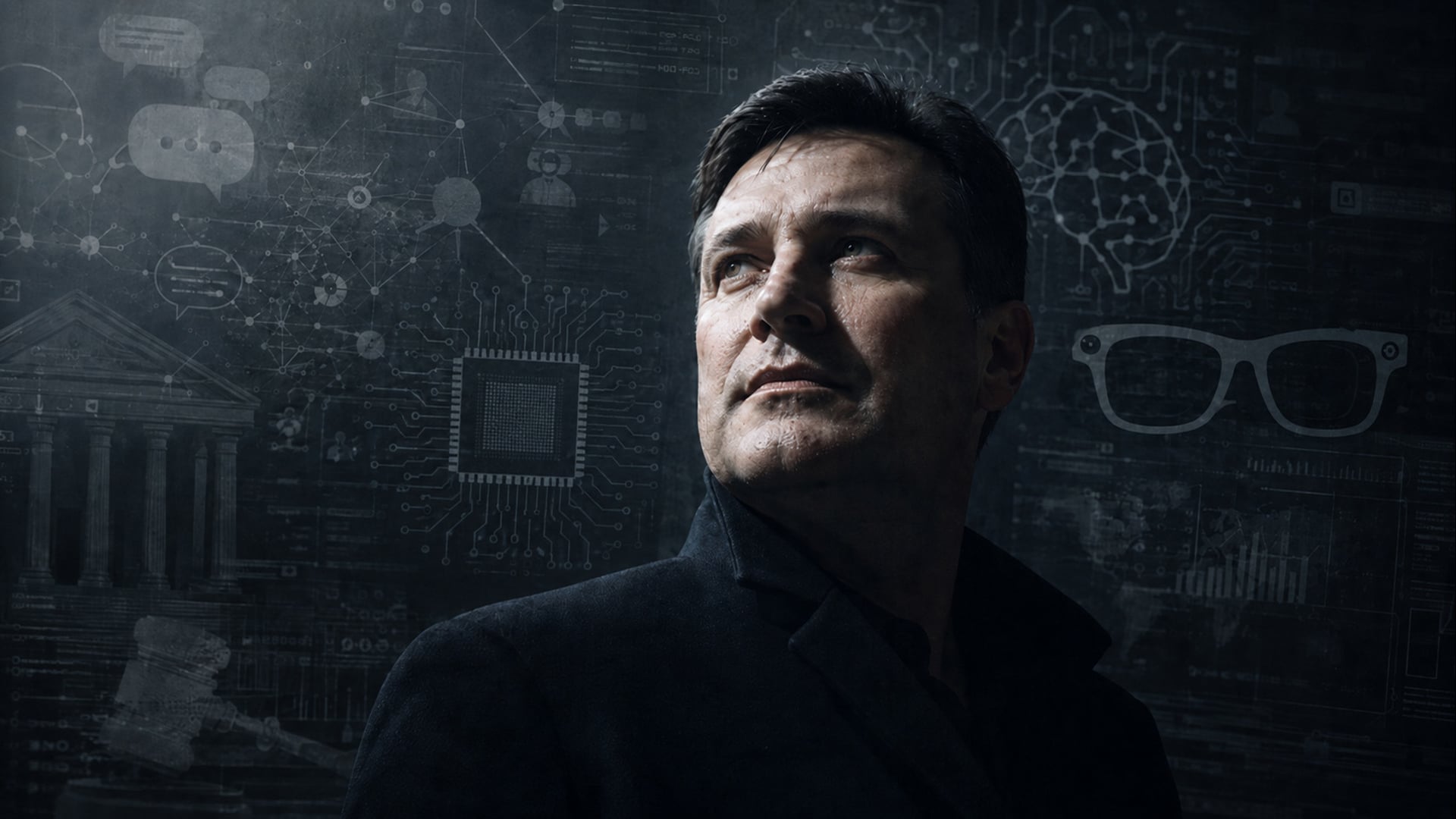
Rise of the Legal Technologist
An interview with Jason Boehmig
In an era where technology is rapidly reshaping the legal landscape, the rise of the legal technologist is both inevitable and transformative. This evolution raises critical questions about the future of legal practice, particularly as data science begins to permeate the traditionally artisanal field of law. In this episode of New Law Order, a limited series and podcast, co-hosts Joel Cohen and Yale Law Professor John Morley are joined by Jason Boehmig, founder of Ironclad, a leading contract lifecycle management company. Jason offers his insights into how AI and legal technology are redefining the role of lawyers and legal services. With a background in both law and technology, Boehmig provides a unique perspective on the integration of sophisticated tools into legal practice, fostering a dialogue about what it means to be a lawyer in the age of AI.
One of the pressing issues Boehmig addresses is the shift from manual contract drafting to a more technology-driven process. Historically, contract drafting was an art form, requiring meticulous attention to detail and an understanding of nuanced legal language. However, Boehmig argues that while technology is handling much of the document manipulation, the core legal thinking remains a human endeavor. This transition is crucial as it promises to free up lawyers to focus on more substantive legal work, enhancing efficiency and potentially democratizing access to legal services. The use of AI in this context is not about replacing lawyers but augmenting their capabilities, allowing them to practice law more effectively.
Another significant tension explored is the adoption of legal technology within corporate environments versus traditional law firms. Boehmig notes that in-house legal teams have been more receptive to these technologies due to their non-revenue-driving nature, leading to leaner operations and faster contract turnaround times. This differentiation highlights a systemic issue within law firms, where the billable hour model can disincentivize efficiency gains. By contrast, corporate legal departments, which handle routine and high-volume transactional work, see immediate benefits from technological advancements. This disparity underscores the need for law firms to rethink their operational models to remain competitive in an evolving market.
Boehmig also touches on the emerging role of legal technologists—professionals who bridge the gap between law and technology. As the legal profession undergoes a structural shift, there is a growing demand for roles that do not necessarily require passing a state bar but involve significant legal knowledge and technical expertise. This evolution mirrors changes in other industries, such as finance, where quantitative analysts have become integral. Boehmig envisions a future where legal quants and engineers play a pivotal role in legal operations, fostering innovation and expanding the spectrum of legal careers.
The implications for the legal profession are profound, as these technological advancements are poised to redefine traditional roles and workflows. Boehmig foresees a reduction in junior lawyer positions and an increase in legal-adjacent jobs, where technology and legal training intersect. This shift suggests a future where the practice of law is more focused on advising and counseling, supported by advanced data analytics and AI. The legal profession must adapt by fostering a culture of technological literacy and embracing new roles that leverage these tools to enhance legal service delivery and access to justice.
Jason Boehmig is the founder of Ironclad, a pioneer in contract lifecycle management, where he integrates his expertise in law and technology to drive innovation in legal services. His work focuses on the intersection of AI, legal practice, and business processes, providing valuable insights into the future of the legal profession in a tech-driven world.
Additional Resources
No specific legal authorities were cited in this discussion.

This episode is part of our New Law Order podcast. Explore more from the series ›
About Jason Boehmig
“The underlying reason why lawyers are relatively dissatisfied with the profession is most of it is not practicing law.”