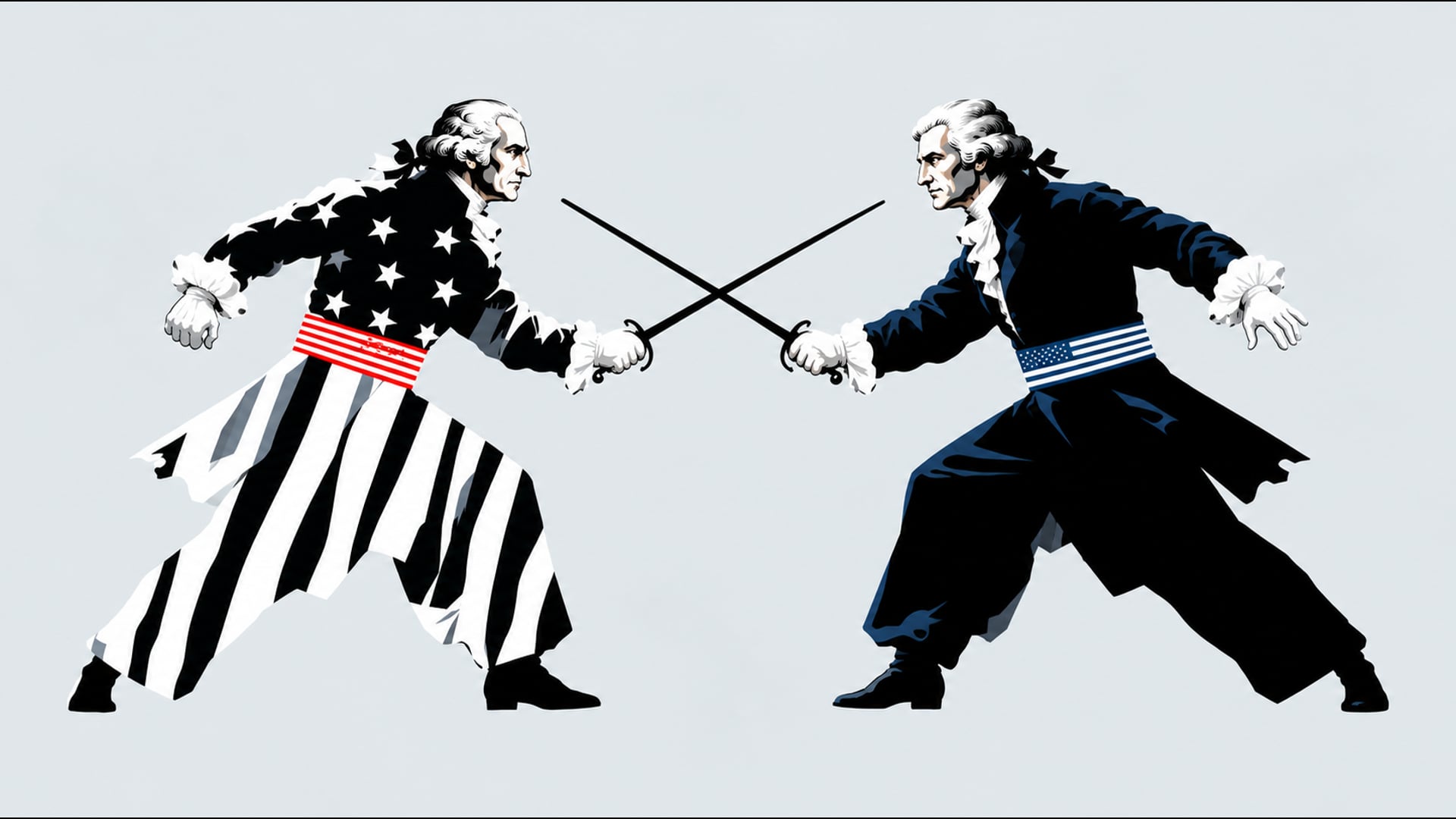
In this episode of New Law Order, a limited series and podcast co-hosted by Joel Cohen and Yale Law Professor John Morley, Brad Karp, Chairman of Paul, Weiss reflects on nearly two decades of leadership at one of the world’s most influential firms. Drawing on his experience as both a practicing lawyer and long-time firm chair, Karp examines how large law firms are built, governed, and sustained amid shifting legal, economic, and political conditions.
Building a Modern Global Law Firm
The conversation traces Paul Weiss’s evolution from a litigation-focused firm into a fully diversified global platform. Karp discusses his decision to assume the chairmanship during the 2008 financial crisis, when the firm’s strength in litigation and regulatory strengths positioned it to outperform much of the market. That period, he explains, created the strategic flexibility to expand into private equity, public M&A, restructuring, and other transactional practices while preserving the firm’s litigation core and partnership culture.
Governance, Consensus, and Firm Culture
Central to the discussion is Karp’s leadership philosophy. He describes a governance model grounded in transparency, consensus-building, and sustained engagement with partners across practices and geographies. Through regular partnership meetings, informal consultations, and deliberate internal communication, Karp emphasizes ensuring that major institutional decisions reflect broad input and preserve Paul Weiss’s identity as a true partnership. The episode examines how this approach has shaped compensation structures, lateral integration, and long-term cultural cohesion.
Strategic Growth and Market Positioning
The discussion also explores the mechanics of strategic growth, including lateral hiring, group acquisitions, and international expansion, particularly in London and other key markets. Karp explains how Paul Weiss positioned itself as a “safe choice” for general counsel and boards on their most consequential matters, balancing innovation with institutional reliability in an increasingly competitive global legal market.
Executive Pressure and Institutional Resilience
Against this broader backdrop, the episode addresses moments of external pressure, including executive actions that imposed operational and reputational risks on law firms based on their legal representations. Karp discusses how firm leadership evaluated constitutional considerations, client obligations, and organizational stability in responding to such challenges, situating them within the broader responsibilities of law firm leadership and the structural importance of preserving independent legal judgment.
Implications for the Legal Profession
Beyond Paul Weiss, the episode considers what these developments signal for the broader legal profession. Karp reflects on how executive actions aimed at firms may influence future decisions about representation, advocacy, and institutional risk tolerance. The episode ultimately offers a rare inside look at law firm leadership during a period of heightened political and legal tension. For lawyers, firm managers, and scholars of professional responsibility, the conversation offers a grounded examination of how institutional values are tested when legal norms, executive power, and business risk collide.