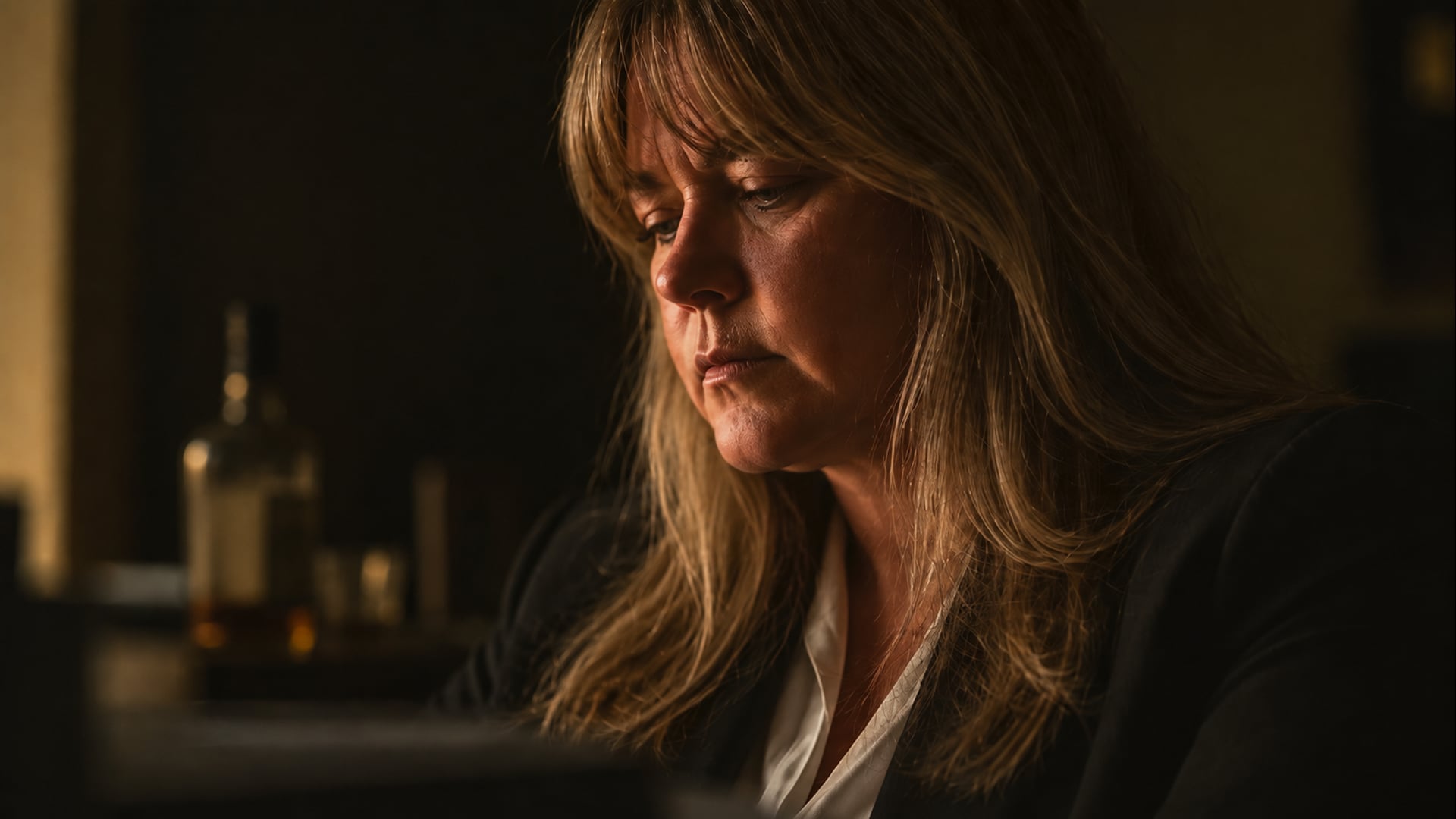
Overachieving, Anxiety, & Addiction
An interview with Lisa Smith
Lawyers tend to think of themselves as too smart, too disciplined, or too successful to struggle with addiction. The data say otherwise. Problem drinking, anxiety, and depression are more common among lawyers than in the general population, and the high-achieving, image-conscious culture of the profession can make them easier to hide and harder to confront.
In this TalksOnLaw interview, Joel Cohen sits down with Lisa Smith, a lawyer and the author of Girl Walks Out of a Bar, her memoir of a decade-long descent into alcohol and cocaine addiction while working at a Manhattan law firm, and of her recovery. Smith describes how the addiction took hold and how she hid it, then follows her story into detox, early sobriety, the question of whether and how to tell the people at work, and what firms can do to support lawyers' well-being.
"High-Functioning Until You're Not"
Addiction does not discriminate, Smith says, and "high-functioning" is only true until the day it isn't: a missed filing, a missed meeting, a DUI. She points to the landmark 2016 study by the American Bar Association and the Hazelden Betty Ford Foundation. Among nearly 13,000 practicing lawyers, about 21 percent screened positive for problematic drinking, more than double the rate commonly cited for the general population. Rates were highest among lawyers in their first ten years of practice. Smith links that to heavy debt, a tough market, and the competitive culture that begins in law school. She also notes that many young lawyers who struggle may leave practice before any survey counts them, as she did when she moved from deal work to business development.
Self-Medicating Anxiety and Depression
Smith started drinking nightly as a first-year associate, living alone in Manhattan and feeling like "a fraud waiting to be discovered." Her parents had a cocktail hour every night, so two glasses of wine seemed normal. Soon it was a struggle to stop at three, then a bottle, then more. Only in detox did a psychiatrist diagnose the major depressive disorder she had likely lived with since childhood. Alcohol, she realized, had been the fastest way to quiet anxiety and get to sleep before another early morning. The same study found high rates of depression and anxiety among lawyers, and Smith stresses how often substance use and mental health conditions overlap.
Moving the Goalposts
Addiction, she explains, is a series of lines you swear you won't cross and then cross. No drinking at lunch, until there is. Cocaine, which she had first tried as a teenager, became in her last eighteen months a tool to straighten herself out enough to function after drinking around the clock. Her work was still good, and no one at the firm knew. But keeping the balance was exhausting: calibrating drinks and drugs around meetings, inventing excuses, and missing family events, including the birth of her niece.
The Lawyer's Mask
Lawyers are trained to project confidence and hide weakness, Smith observes, and perfectionism makes the facade elaborate. She rejects the idea that people with addiction are "getting something over" on their employers. They are simply trying to get through the next hour. The warning signs are usually changes: a morning person who can no longer get out the door, someone who stops showing up for family, a well-dressed colleague who suddenly looks unkempt. She cites a 2017 New York Times essay by the former wife of a law firm partner who died of an overdose, which described how meticulously he had tracked his drug use. Smith adds a hopeful note: once lawyers commit to recovery, the same drive can help them succeed.
Being Seen
Friends and family made excuses for her ("You're just blowing off steam from work"), and she withdrew from them. The first person to confront her was Mark, a neighbor to whom she had given keys to her apartment. After watching her drink wine and use cocaine while they watched Sunday football, he told her that most people don't do that. Two weeks before she sought help, he told her she needed rehab or he was leaving. She showed him the door. She knew she was addicted, but she believed she could still get it under control.
The Morning She Asked for Help
After a weekend alone with alcohol and cocaine, sick and frightened that she was having a heart attack, Smith stood at her building's elevator on the way to work and could not press the button. She went back inside and called Mark, then her doctor, who told her she needed inpatient detox. Then she emailed her firm about a "medical emergency," determined to be back in five days so she would never have to explain why.
Telling Family and Friends
Smith told her mother to sit down before telling her she had a problem with alcohol. Her mother asked whether she really needed to be hospitalized and whether she could just cut back. Her father, a former judge, responded simply: "We've got a problem. We'll fix it." Her close friends, her "urban tribe," left work on a Monday morning to be with her, and they were stunned at how much they had not seen. As they helped her pack, she asked them to shake out the sweaters in her closet in case there were bags of cocaine hidden among them.
Inside Detox
At the hospital, Smith learned that she had to sign a 72-hour hold on a locked psychiatric detox unit: no phone, limited visits, and no leaving without a psychiatrist's approval. When the steel doors closed behind her, she wanted out immediately and insisted, "I'm a lawyer, I know my rights," though she admits she had no idea what they were. By the next morning, in severe withdrawal, she accepted Librium to prevent seizures and stayed the full five days her doctor recommended. A sign in the day room, "Get up, get dressed, get with the program," struck her as something she had not done in ten years, and suddenly it seemed possible.
Why Recovery Stuck
Staying sober after a first detox and an immediate return to work is unusual, Smith acknowledges. She credits three things. First, the right diagnosis: the detox psychiatrist identified major depressive disorder and started her on medication that worked. Second, a "soft landing": she still had her job, apartment, friends, and family. Third, the decision was hers, made because she was truly done, not because an employer, court, or family forced her. She went back to work the next week while attending intensive outpatient treatment two nights a week. Longer inpatient treatment had been recommended, and she urges anyone who can do it to take that option.
Stigma and the Question of Disclosure
Fearing stigma and unsure whether sobriety would last, Smith told no one at the firm. She was open in her personal life, though, and in outpatient treatment she found "my people." Ten months sober, she took a bigger job at another firm, one she would never have pursued while drinking. Over the years she shared her story with colleagues as friendships formed, and went fully public only when her writing began to appear. She became proud to say she was in recovery and brought recovery meetings to patients in detox. Her old firm learned her story only from the book.
Breaking the Stigma
Smith sees stigma as the biggest barrier. She hopes readers will recognize warning signs earlier and not have to go as far down as she did, and she notes that she had never seen a lawyer take leave for mental health or substance use treatment. She cites the 2017 report The Path to Lawyer Well-Being, which put reducing stigma first, and points to prominent lawyers who spoke out publicly with the support of their firms, including a law firm partner writing about his depression and a large firm's leader discussing long-term recovery. Addiction and depression are diseases of the brain, she says, and deserve the same specialized care as any other condition.
Rethinking Alcohol at Work
Legal culture has long been alcohol-forward, from late-night bar tabs to premium open bars with nothing appealing for non-drinkers. Smith sees change: firms limiting drink tickets, planning activities like escape rooms, and serving a "signature mocktail" alongside the signature cocktail, which she says many guests choose. She connects the change to risk management and the #MeToo movement, since alcohol often plays a role in misconduct at events. She describes the ABA's 2018 well-being toolkit for legal employers and firm programs on mindfulness, yoga, and healthier food. The larger goal is to retire the idea that lawyers should "work hard, play hard" and suffer no consequences.
What to Know Now
The profession has taken Smith's message seriously. After the 2016 study, the National Task Force on Lawyer Well-Being issued The Path to Lawyer Well-Being in 2017, and the ABA launched a Well-Being Pledge that asks legal employers to reduce alcohol-centered events, provide confidential resources, and treat mental health and substance use as health issues. Later research, including a large 2021 study of lawyers in California and Washington, D.C., again found high rates of hazardous drinking, stress, and depression, with women lawyers reporting particularly high levels of distress. A 2026 national study of about 37,000 lawyers found high burnout in nearly half and risky drinking in about four in ten, with younger lawyers most at risk. Pandemic isolation added to the strain. In 2025 the U.S. Surgeon General issued an advisory linking alcohol to cancer risk, adding to a broader cultural shift toward drinking less, and many firms now offer non-alcoholic options and alcohol-free events.
Institutional barriers have also come down. Many states, including New York, have removed or narrowed questions about mental health treatment on bar admission applications, so law students are less deterred from seeking care. A growing number of states, among them California and Illinois, require CLE credit on mental health and substance use. Hundreds of legal employers have signed the ABA Well-Being Pledge, the profession observes an annual Well-Being Week in Law, and many large firms now have well-being leaders, confidential counseling, and expanded mental health benefits.
The legal framework for seeking help is also clearer. The Family and Medical Leave Act can cover leave for substance use treatment, and the Americans with Disabilities Act protects people in recovery from alcoholism and from past drug addiction, though not current illegal drug use. ABA Model Rule 8.3(c) exempts information learned through lawyer assistance programs from lawyers' duty to report misconduct. Challenges remain. Surveys continue to show high levels of stress and risky drinking, particularly among younger lawyers and women, and fear of career consequences still keeps some lawyers from asking for help. Confidential help is available through every state's Lawyer Assistance Program, and the 988 Suicide & Crisis Lifeline provides round-the-clock support.
About Lisa Smith
“Addiction, for one, does not discriminate. It’s all around us.”