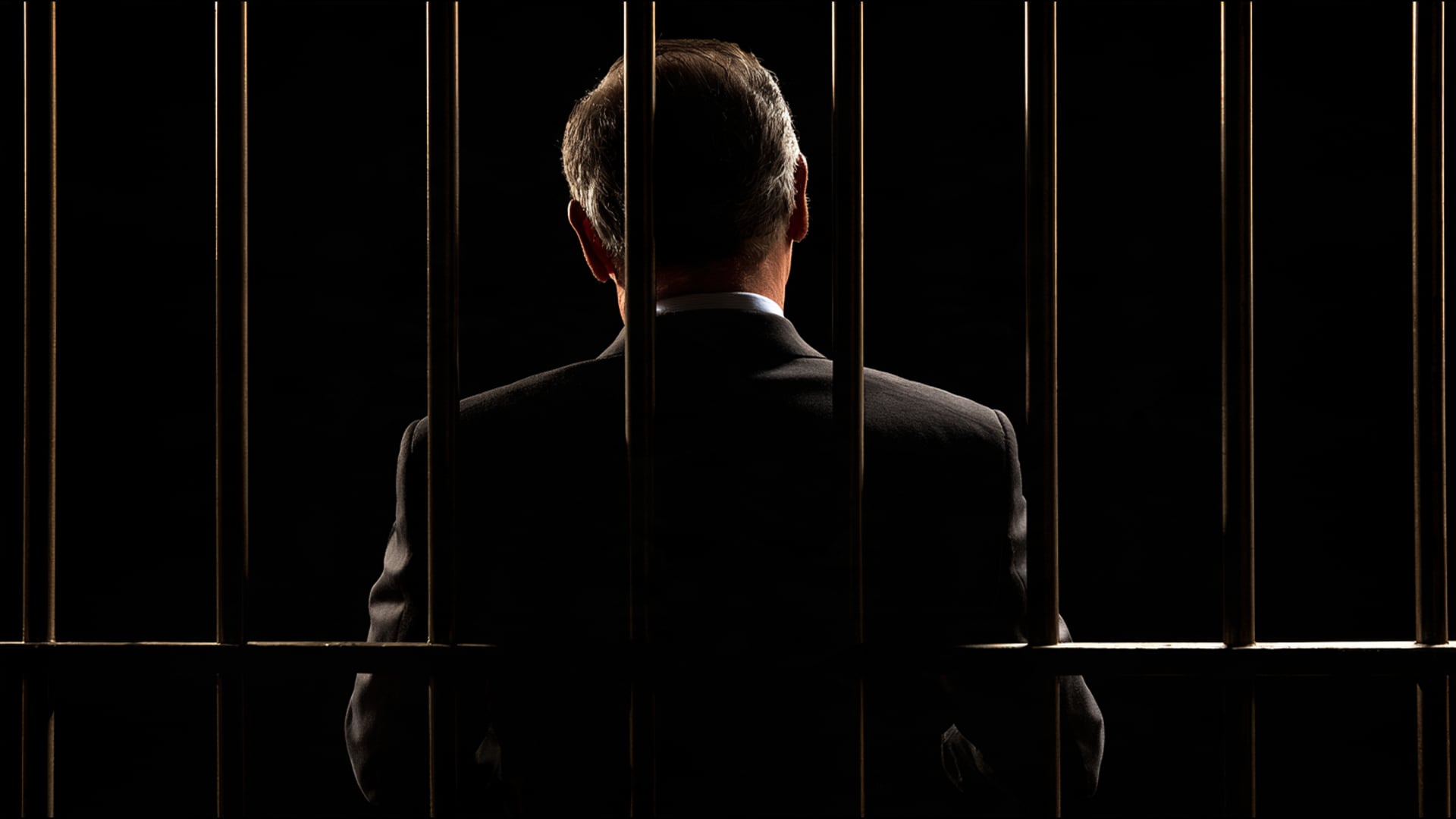
When Lawyers Break the Law
An interview with Hal R. Lieberman
Lawyers are trained in the law, sworn as officers of the court, and, as it turns out, no more immune to bad judgment than anyone else. What is different is what happens next. A lawyer who commits a crime faces two systems of justice, and the second one — the profession's own disciplinary machinery — has rules of its own about what counts, who must report it, and whether you ever come back.
In this TalksOnLaw interview, Joel Cohen sits down with Hal Lieberman, a partner at Emery Celli Brinckerhoff Abady Ward & Maazel, former Chief Counsel of the Departmental Disciplinary Committee for New York's First Department, and co-author of the standard treatise on New York attorney discipline, for a tour of what happens when lawyers break the law.
Purer Than the Driven Snow
Lieberman begins with the rule that ties the two systems together: a lawyer shall not engage in illegal conduct that adversely reflects on her fitness to practice. Not every offense qualifies — a speeding ticket does not — and the rule builds in discretion for disciplinary authorities to decide what does. But lawyers, he explains, are held to a higher standard than "ignorance of the law is no excuse," because their obligations to courts and the public make them officers of the system they are accused of breaking.
Felonies, Serious Crimes, and the Duty to Self-Report
The framework in New York is stark. A conviction of a New York felony — any felony, related to practice or not — means automatic disbarment, with no discretion and, as Lieberman puts it, very little for defense counsel to say beyond regret. Below that sits the category of "serious crimes": misdemeanors involving dishonesty such as forgery, and any offense that would be a felony elsewhere, including federal tax crimes that have no New York analog, which trigger a disciplinary proceeding and a case-by-case judgment. The process starts only with a conviction, never with an arrest or investigation, and the lawyer must self-report; failing to do so is itself a violation. Lieberman recounts the case of former Attorney General John Mitchell, who argued that his disbarment should await his appeal and was told by the Court of Appeals that in New York a conviction is a conviction until it is reversed.
What Disbarment Actually Means
Disbarment sounds permanent, and in some states it is. In New York it means seven years out, an affidavit confirming that every client, court, and adversary has been told, and then an application for reinstatement that is anything but automatic. Lieberman walks through what the reinstatement court weighs: strict compliance with the order, the nature of the crime — some are severe enough that seven or twenty years will not suffice — restitution to victims, certified through the Lawyers' Fund for Client Protection, and, critically, acceptance of guilt. Maintaining innocence after a conviction, he says, is "a clear loser." The crimes that have brought lawyers here run the gamut from mortgage and insurance fraud to assault, murder, and one Maryland lawyer who, mid-divorce, put his wife's cat in the microwave.
Advising Clients Without Joining Them
Where does legal advice become participation in a crime? Lieberman's line is the rule against knowingly assisting a client in illegal or fraudulent conduct, and his example is the client who asks which countries lack extradition treaties with the United States. The information is public; the purpose is flight; a lawyer who supplies it knowing why is aiding a fugitive. Cohen presses on the lawyer who answers the question and then sincerely urges the client not to go, and Lieberman concedes these are close cases that turn, as in criminal law itself, on intent. One thing is not close: a lawyer may never advise a client how to break the law without getting caught.
Alcohol, Drugs, and the Duty to Report
The conversation closes on the profession's quieter problem. Lieberman notes the irony that alcohol abuse, being legal, is treated as mitigation in disciplinary cases, while use of controlled substances is itself a crime and an aggravating factor — though a lawyer who admits a drug problem without a conviction will usually be steered quietly into treatment rather than prosecuted. The real harm, in his experience, is neglect: the languishing cases, missed deadlines, and unreturned calls that follow addiction and depression alike. He explains the reporting rule — actual knowledge, not suspicion, of conduct reflecting on a lawyer's honesty or fitness — its exception for referrals to lawyer assistance programs, and his candid observation that the duty to report is "honored in the breach." The programs themselves, staffed by lawyers who have been through it, are where he ends: reaching out is not an admission, and it is the best outcome available.
What to Know Now
New York overhauled the machinery Lieberman describes shortly after this conversation. Effective October 2016, the Uniform Rules for Attorney Disciplinary Matters, 22 NYCRR Part 1240, replaced the four Appellate Departments' separate procedures with a single statewide code. The substance he lays out survived intact: a New York felony conviction still results in automatic disbarment under Judiciary Law § 90(4); a "serious crime" conviction now triggers an interim suspension and a prompt sanction hearing; the duty to self-report is written into the rules with a thirty-day deadline; and a disbarred lawyer may apply for reinstatement after seven years, on a showing that includes compliance, restitution, and fitness. The rules also formalized diversion to a monitoring program for lawyers whose misconduct stems from alcohol, drug, or mental health problems, the approach Lieberman describes as best practice. One of his distinctions has shifted: New York legalized adult-use cannabis in 2021, so marijuana use alone is no longer criminal conduct, though impairment that harms clients is judged the same way regardless of substance. The substance-use problem he described anecdotally was quantified in 2016, when a national study by the ABA and the Hazelden Betty Ford Foundation reported problematic drinking among roughly one in five practicing lawyers, with the highest rates among the youngest. And the past decade has supplied prominent illustrations of both halves of his framework: Michael Cohen was automatically disbarred in New York in 2019 following a federal felony plea, while Rudolph Giuliani was disbarred in New York in 2024 and in the District of Columbia in 2025 without any conviction, under the rules against false statements and conduct prejudicial to the administration of justice — a reminder that the disciplinary system does not always wait for the criminal one.
About Hal R. Lieberman
“We [as lawyers] have special obligations to the courts and to the public as officers of the court.”
Hal Lieberman is a partner at Emery Celli Brinckerhoff Abady Ward & Maazel LLP. He is the former Principal Trial Attorney and Chief Counsel for the Departmental Disciplinary Committee in New York's First Department. Over more than two decades in private practice, he has defended hundreds of lawyers and law firms before disciplinary and grievance committees in connection with lawyer discipline complaints, formal disciplinary prosecutions, reciprocal discipline proceedings, post-conviction disciplinary proceedings, reinstatements, and matters related to bar admissions before the New York character and fitness committees, and has served as an expert witness on legal ethics and legal malpractice. He is the past partner-in-charge of the New York office of Hinshaw & Culbertson LLP. Lieberman is co-author of New York Attorney Discipline Practice and Procedure and a longtime columnist for the New York Law Journal on professional discipline.