Criminal Law
How prosecutions work and when force is legal: immunity, money laundering, crimes abroad, stand-your-ground, and the duty to retreat.
 3:28
Brief
What is criminal immunity?
Use immunity, transactional immunity, and why prosecutors, not judges, decide who gets a deal
 3:43
Brief
When can the U.S. prosecute crimes committed abroad?
How U.S. criminal law reaches citizens, foreign nationals, and conduct overseas, from bank cases to bribery
 1:47
Brief
What Exactly Is Money Laundering?
A Columbia law professor explains the two elements that turn moving money into a federal crime.
 2:22
Brief
Can a President "Obstruct Justice?"
What counts as obstruction, why a sitting president is not indicted, and how presidential immunity applies.
 1:08
Brief
Can deportation be punishment for crime?
Why deportation is a civil consequence of a conviction rather than part of the criminal sentence.
 3:18
Brief
What are stand your ground laws?
Stand-your-ground removes one narrow duty to retreat, but force must still be necessary and proportionate.
 2:34
Brief
What is the duty to retreat?
No retreat for non-deadly force or at home: when the law requires you to walk away before using deadly force.
 5:00
Brief
Forfeiting the Right to Self-Defense
Initial aggressors, provocateurs, and how you can lose, and sometimes regain, the right to defend yourself.
 5:08
Brief
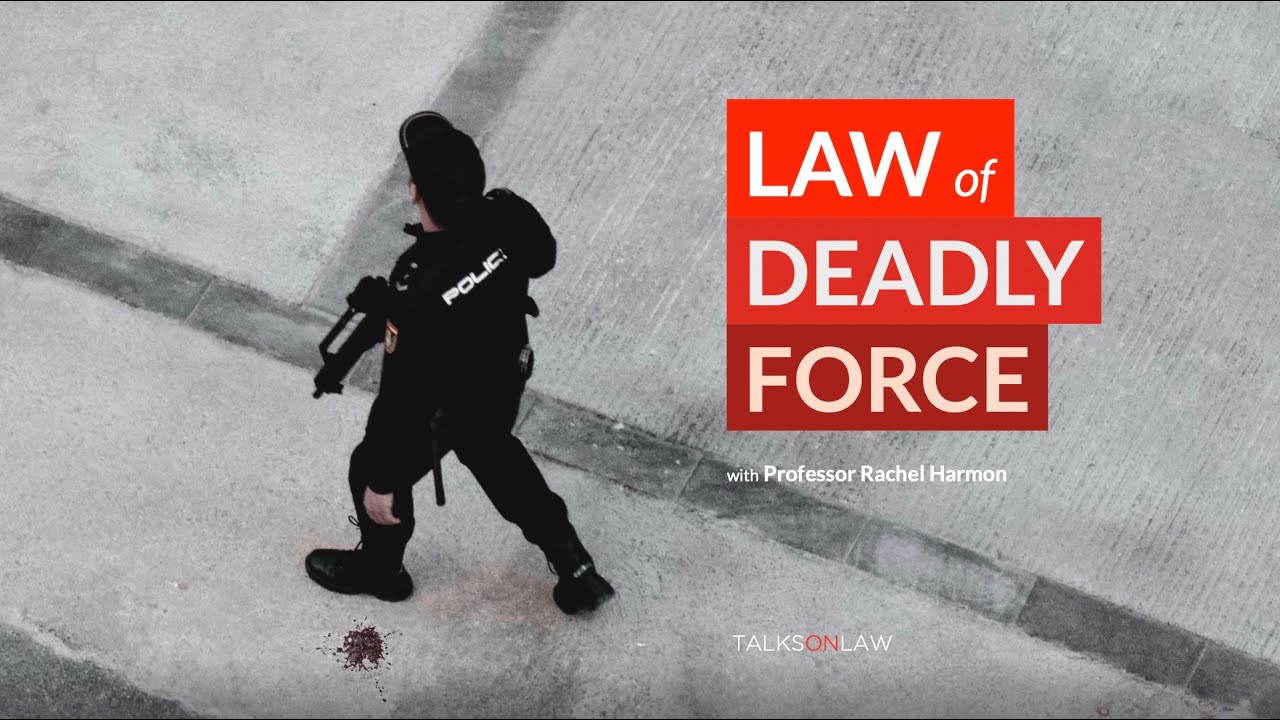
When can police use deadly force?
The Fourth Amendment limits on police deadly force under Tennessee v. Garner, and why many states go further.
Go deeper: the full interviews
The full-length conversations behind this series.
- Deadly Force as Self DefenseProf. Kimberly Ferzan
- Police Technology - From Body Cameras to Facial RecognitionProf. I. Bennett Capers
- Using Lawyers to Launder MoneyProf. William H. Simon
- Policing the PoliceProf. Rachel Harmon
- Trump Trials – A Survey in Legal EthicsProfs Bruce Green & Rebecca Roiphe
- Shadow Immigration and the Power of the PresidencyDean Cristina Rodríguez & Prof. Adam Cox