Emoji have become part of how most people communicate, and that means they now turn up in contracts, threats, harassment claims, and criminal trials. Courts have to decide what a winking face or a string of party symbols meant, and whether anyone can own the little pictures in the first place.
In this TalksOnLaw interview, Joel Cohen sits down with Professor Eric Goldman of Santa Clara University School of Law, co-director of its Datta Center for High Tech Law and a leading scholar of internet law, to explore what emoji are, who owns them, and how courts interpret them as evidence.
Emoji Versus Emoticons
Emoticons are built from ordinary keyboard characters, like a colon and parenthesis for a smile, so they arrive looking exactly as they were sent. Emoji are graphical images, and that difference is the source of many legal problems. Goldman leaves to linguists the question of whether emoji are a language, but explains that they can substitute for words, complement words, or act like punctuation and emphasis. Either way, they are now an essential part of how people express meaning.
Unicode and the Problem of Different Depictions
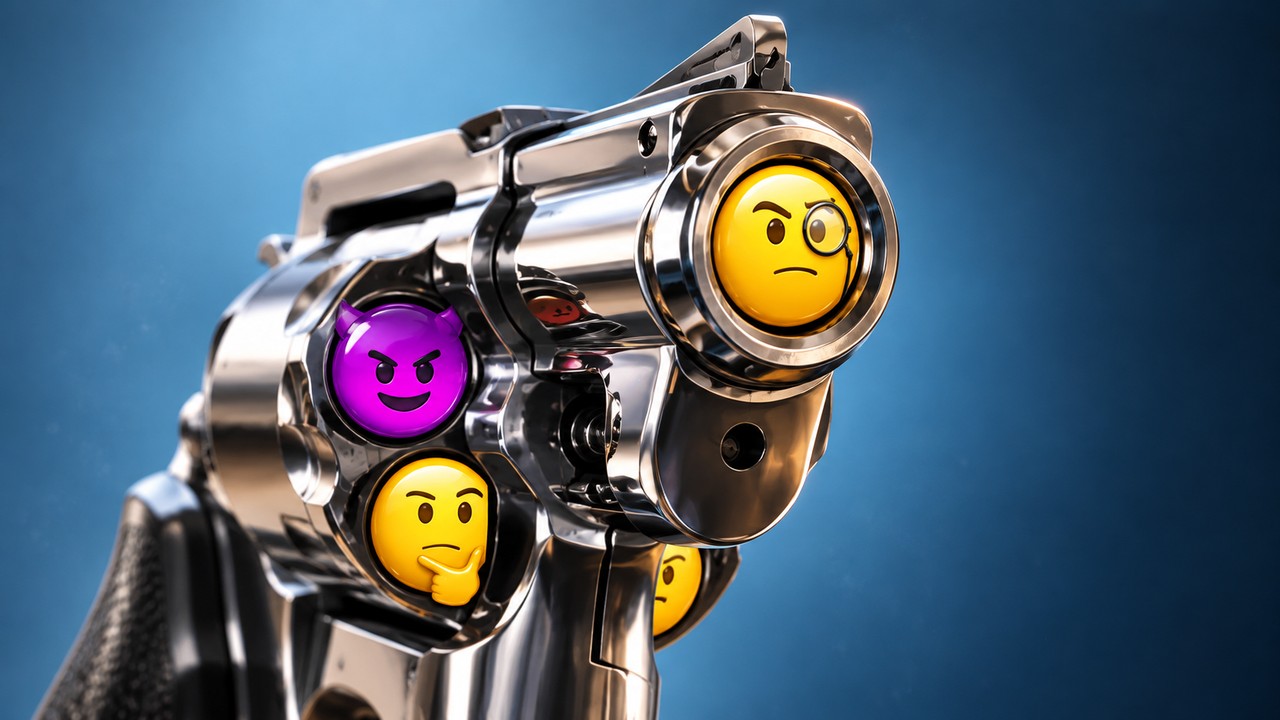
The emoji most people use are standardized by the Unicode Consortium, an international technical body that assigns each emoji a code, just as it does for letters of the alphabet. A standard code tells every platform that "face with tears of joy" belongs in a message. But each platform draws its own version, so the same emoji can look different to sender and recipient. Goldman's example: Apple once showed the "pistol" emoji as a green squirt gun while other platforms showed a realistic revolver, so a playful message could arrive looking like a threat.
Who Owns an Emoji?
Ownership is unsettled. Unicode's reference images may belong to Unicode, to its contractors, or to no one if they are not copyrightable. Platforms argue that their depictions are like proprietary fonts, and Apple has registered copyrights in hundreds of individual emoji designs. At the time of the interview, there had been no litigation over emoji ownership, but Apple had warned app developers not to use its emoji set. Goldman worries that copyright claims push platforms to make their depictions ever more different, which makes it harder to understand one another, and he favors open-source emoji sets.
An Israeli Apartment and a Squirrel
Goldman's favorite teaching case comes from an Israeli small claims court. A prospective tenant texted a landlord that he was interested in an apartment, adding a smiley face and a string of six emoji: a dancing woman, women with bunny ears, a victory sign, a champagne bottle, a comet, and a squirrel. When the tenant backed out, the court found bad-faith negotiation under Israeli law, reasoning that the emoji signaled enthusiasm the landlord could rely on. But what did the comet and the squirrel mean? If the squirrel signaled sarcasm, it might have reversed the whole message. The case shows there is still no settled "grammar" for reading strings of emoji.
Emoji as Evidence
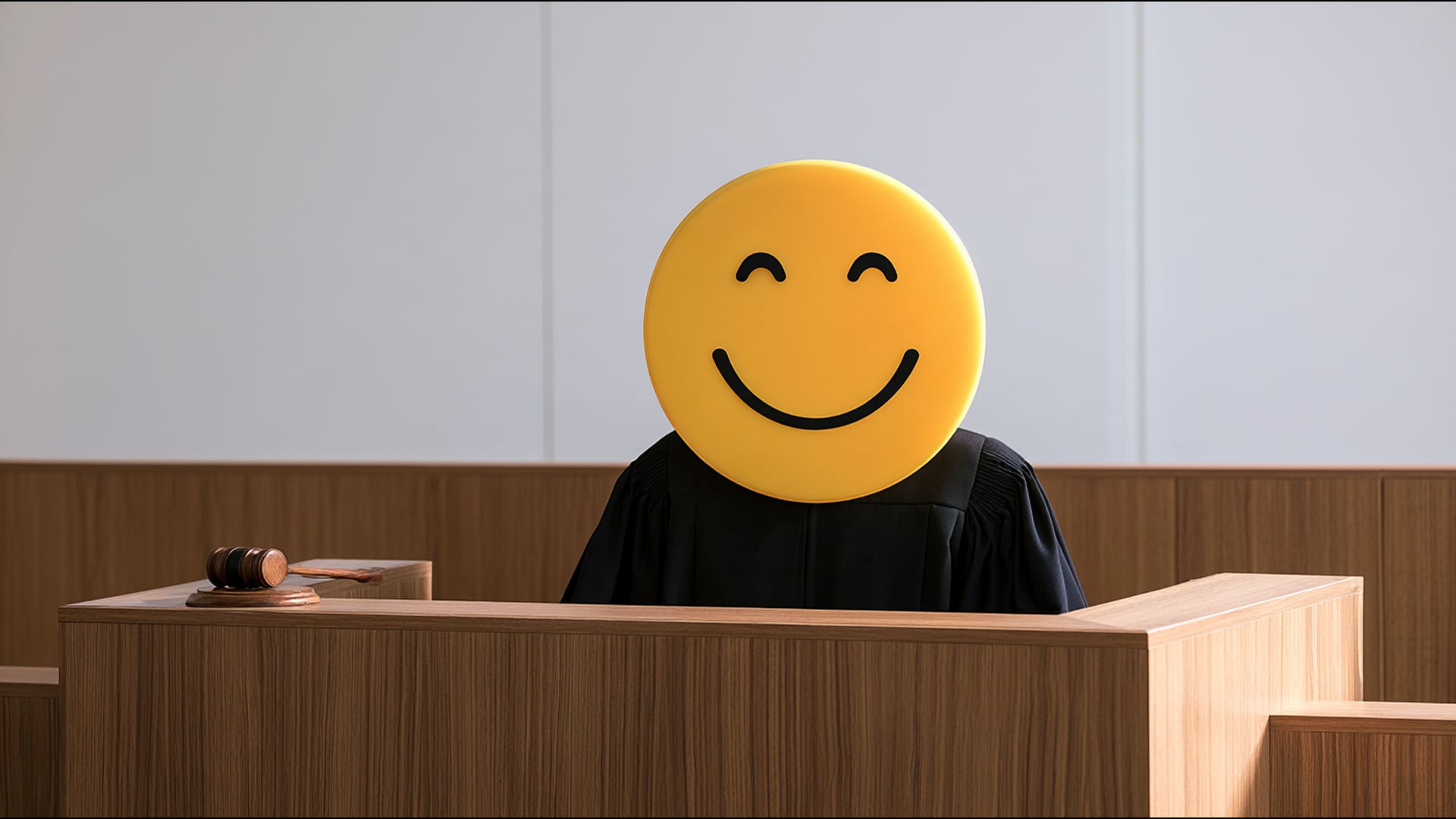
Courts already handle unfamiliar symbols such as street slang and gang signs, often with expert testimony, so emoji are not an entirely new problem. They do raise particular challenges. Depending on the legal doctrine, meaning may turn on the sender's subjective intent or on how a reasonable person would read the message, and with cross-platform differences, sender and recipient may each have seen something different. In the prosecution of Ross Ulbricht, operator of the Silk Road marketplace, the court required prosecutors reading text messages to the jury to include the emoji and emoticons, because a wink could change the meaning of a statement. Goldman argues that juries should see the actual images.
What Courts Are Doing
Goldman tracks every U.S. opinion that mentions emoji or emoticons. The count was growing quickly, and the most common context was sexual predation cases, where flirtatious smiley and winking faces appear in messages. Most courts describe emoji in words instead of reproducing them, which Goldman sees as a mistake because the image is often essential. He would welcome judges using emoji in opinions when they add clarity, though not an entire opinion written in emoji.
What to Know Now
Goldman's prediction that emoji would become more common in litigation has come true. The number of U.S. opinions referencing emoji has grown past a thousand, with more than 200 new opinions a year, and courts have treated emoji as meaningful conduct in several prominent cases. In 2023, a Saskatchewan court held that a farmer who replied to a contract with a thumbs-up emoji had accepted it, and an appellate court upheld the ruling; in 2025 the Supreme Court of Canada declined to hear a further appeal. U.S. courts have also considered emoji in securities cases, including whether rocket and money-bag emoji in promotional posts suggested investment returns. The Supreme Court's decision in Counterman v. Colorado (2023) bears directly on the intent questions Goldman raised: prosecutors must show at least that a speaker was reckless about the threatening nature of a message, not merely that a reasonable person would find it threatening.
Some problems Goldman identified have eased. The major platforms followed Apple in depicting the pistol emoji as a water gun, which reduced one high-profile risk of cross-platform confusion (although X switched back to a realistic handgun in 2024), and more opinions now reproduce the actual emoji at issue. Others persist. Platforms still render many emoji differently, the Unicode set keeps growing (to 3,953 emoji as of 2025), and ownership of emoji designs remains largely untested in court. The first major test, a copyright and trade dress suit against Apple over its skin-tone emoji (Cub Club Investment v. Apple), was dismissed in 2022, with the court suggesting emoji designs receive only thin protection against virtually identical copying. For litigators, the practical lessons are the same: preserve and present emoji as the recipient actually saw them, pay attention to context and platform, and be prepared to address meaning with evidence when it matters.