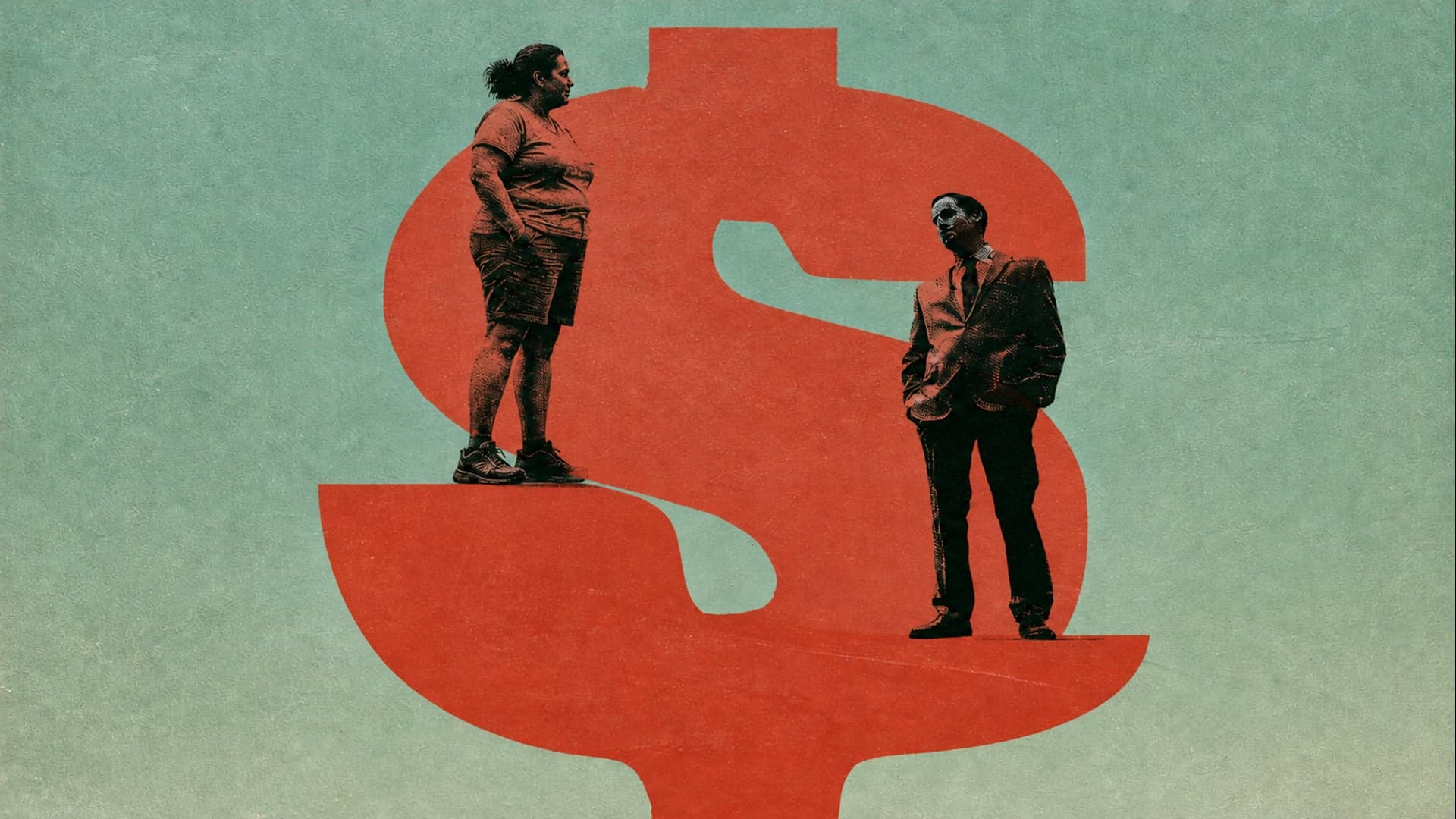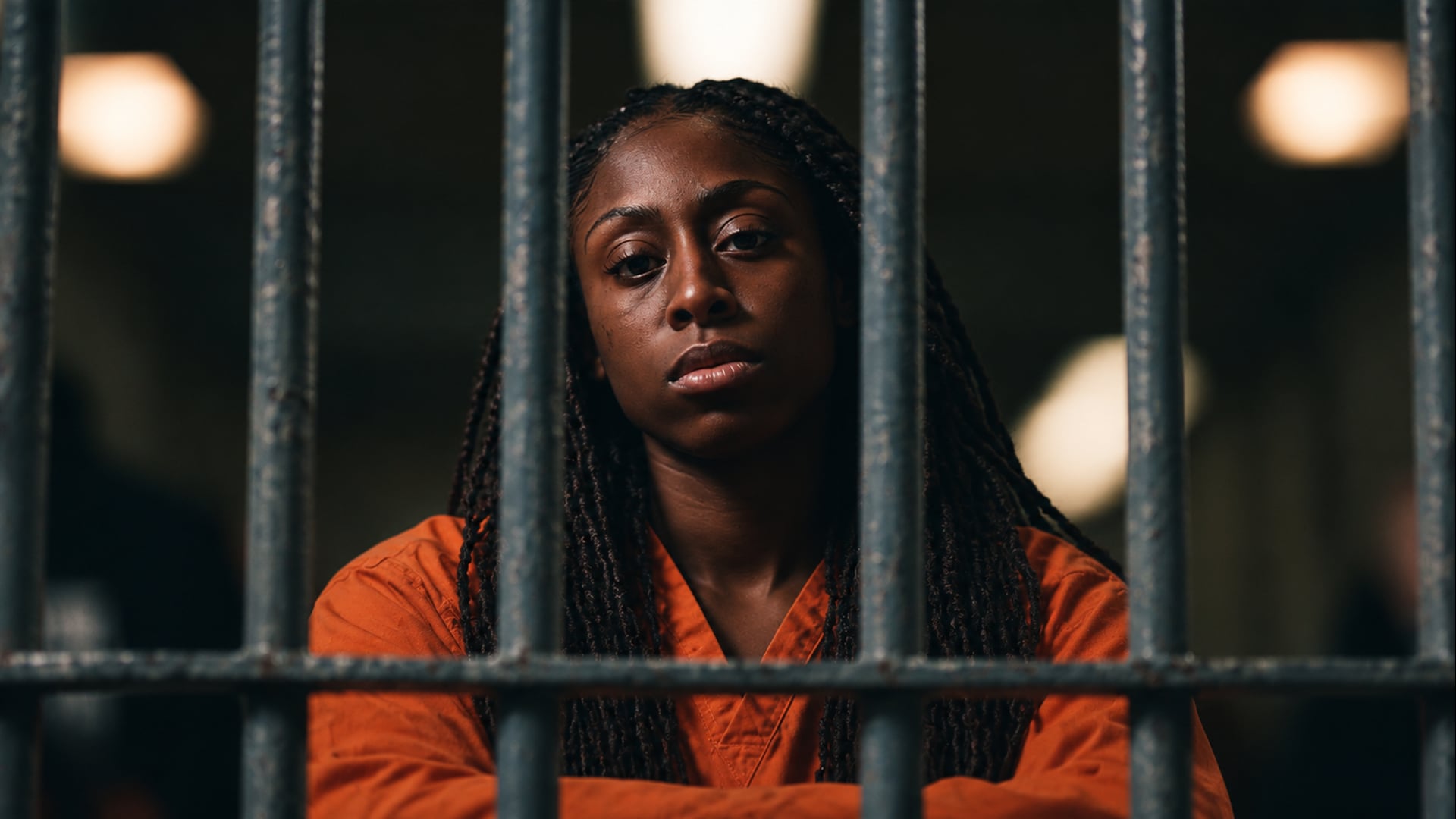
A man is arrested for riding his bicycle on the sidewalk. Bail is set at $1,000. He cannot pay it, so he sits in jail for a week while people with money go home. Multiply that by hundreds of thousands of cases a year and you have what Robin Steinberg calls a two-tiered system of justice: one for the rich and one for the poor. It costs taxpayers $14 billion a year, about $40 million a day, to hold people who have not been convicted of anything, and it pressures the innocent to plead guilty just to get out.
In this TalksOnLaw interview, recorded in early 2019 as part of our "Lawyers for the Greater Good" series, Joel Cohen speaks with Robin Steinberg, a public defender for 36 years, the founder of The Bronx Defenders, and the founder and then CEO of The Bail Project, about how cash bail works, what it does to people and communities, and what she learned by paying bail for thousands of strangers.
The Price of Freedom
Steinberg explains how bail amounts that sound trivial, $200 or $400, keep people in jail for weeks, months, or years, and why those first days are the most dangerous: most jail deaths occur in the first week, and sexual victimization is most likely within the first three days. She tells the story of Kalief Browder, jailed on Rikers Island for more than two years on a backpack-theft charge his family could not post bail on, and who later took his own life. Jail, she argues, is the engine of plea bargaining: offered time served, people plead guilty to things they did not do because it is the fastest way home.
The Experiment
In 2007 Steinberg and her husband founded the Bronx Freedom Fund, a revolving charitable bail fund, and fought a Bronx judge in court for the right to operate it. The results undercut the premise of cash bail: clients whose bail was paid by the fund returned to court 96 percent of the time, with no financial stake of their own. That finding became The Bail Project, launched in 2018 with a $16 million revolving fund and a plan to open 40 sites and free 160,000 people in five years, pairing bail payments with court reminders and "bail disruptors" drawn from the communities they serve. Because bail is returned when a case ends, each dollar can be used again and again.
What Reform Should Not Become
Steinberg warns that the alternative to cash bail cannot be a new system of surveillance and supervision, electronic monitors and risk scores that reproduce racial and class bias under a neutral name. There is, she argues, no race-neutral way to predict dangerousness, and most people simply need a reminder and a ride to court. She also takes on the commercial bail bond industry, which collects a nonrefundable 10 percent fee from the poorest families, and describes it as predatory lending with a courthouse address.
What to Know Now
This conversation was recorded before New York's bail reform took effect on January 1, 2020. That law eliminated cash bail for most misdemeanors and nonviolent felonies. The legislature then rolled it back three times, expanding the list of bail-eligible offenses in April 2020 and again in 2022, and in May 2023 removing the requirement that judges impose the "least restrictive" condition necessary to ensure a return to court. Illinois went further than any state: the Pretrial Fairness Act abolished cash bail entirely on September 18, 2023, and early data showed statewide failure-to-appear rates falling slightly even as some county jail populations later rose. New Jersey's 2017 reform, which nearly eliminated cash bail, continues to show high appearance rates and roughly flat rearrest rates. In California, the Supreme Court held in In re Humphrey (2021) that a court may not set bail at an amount a defendant cannot afford without findings that no less restrictive alternative would protect public safety, though voters had rejected a statewide bail-elimination law the year before. In August 2025 President Trump issued executive orders directing the Attorney General to identify jurisdictions that have eliminated cash bail and to find federal funds that could be withheld from them, and barring cashless release in the District of Columbia.
The Bail Project has grown into the largest charitable bail organization in the country, having supported more than 40,000 clients across about 29 jurisdictions; its clients returned to court for about 93 percent of their appearances in fiscal 2024, and roughly 90 percent of the bail it pays returns to the fund. Several states, including Indiana and Georgia, have enacted restrictions on charitable bail funds. Steinberg stepped down as CEO of The Bail Project in March 2023 and remains an advisor and board member; the Bronx Freedom Fund closed in 2020 after New York's reform. The Bronx Defenders, which she founded in 1997 with eight people, now has more than 400 staff and is led by Juval O. Scott. New York City has acknowledged it will not meet the 2027 statutory deadline to close Rikers Island.