Police Commands & Police Coercion
An interview with Prof. Rachel Harmon
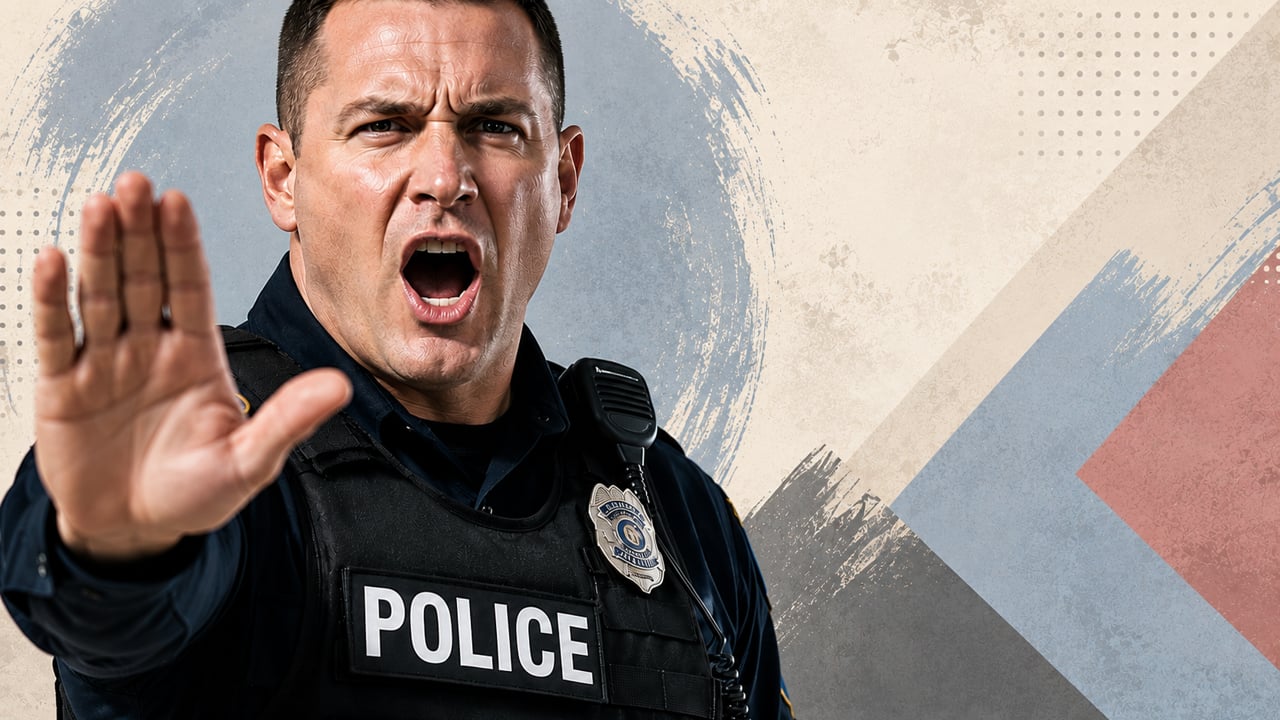
Police commands are the cornerstone of law enforcement, at once projecting the authority of the state and instantly creating legal obligations for which the failure to comply can result in arrest, detention, or even the use of deadly force. But what are the limits of police commands? When are they lawful and what rights do we have to disobey them when they are unlawful? Professor Rachel Harmon, a leading scholar on police law explains how police commands are the building blocks of police authority and can serve as the foundation upon which a peaceful resolution to a crisis is built. On the other hand, bad commands can create confusion, escalate tensions, and result in unnecessary use of force. Prof Harmon explains the legal limits of police commands and how regulating them can play a critical role in reducing police abuse and unnecessary force.
Additional Resources
Law and Orders – Columbia Law Review article by Prof. Rachel Harmon
Policing the Police – an interview with Prof. Rachel Harmon on the laws restraining police action and governing police accountability.
The Law of the Police – Casebook written by Prof. Rachel Harmon exploring the complex array of federal, state, and local legal rules that govern police encounters with the public. (Aspen Publishing, 2021)
Do you have to comply with police orders? – a 7min legal explainer brief with Prof. Harmon.
About Prof. Rachel Harmon
“Policing is about systems. It’s about the choices we make. . . . And the problems we get are usually a result of institutions, not a result of bad people.”
Rachel Harmon is a professor of law and the Director for the Center for Criminal Justice at the University of Virginia School of Law. She is a leading scholar on policing and the laws that regulate police behavior. Her new casebook, “The Law of the Police” (2021), is the first resource for students and others seeking to understand and evaluate how American law governs police interactions with the public. Her scholarship on policing has appeared in the New York University, Michigan and Stanford law reviews, among others. She is a member of the American Law Institute and serves as an associate reporter for ALI’s project on Principles of the Law of Policing. She advises nonprofits and government actors on issues of policing and the law, and in the fall of 2017, served as a law enforcement expert for the “Independent Review of the 2017 Protest Events in Charlottesville, Virginia.” Prior to academia, she was a federal prosecutor in the U.S. Department of Justice’s Civil Rights Division and the U.S. Attorney’s Office for the Eastern District of Virginia. She has clerked for Judge Guido Calabresi of the U.S. Court of Appeals for the Second Circuit and Justice Stephen Breyer of the U.S. Supreme Court.