Topic
Criminal Justice
Policing, prosecution, incarceration, and reform — explored through the lens of constitutional rights, policy, and practice.
31 courses · 27 briefs
The American criminal justice system affects more people than any other area of law. From policing practices and prosecutorial discretion to mass incarceration and sentencing reform, the legal questions in this space carry enormous consequences for individuals, communities, and constitutional rights.
These courses and briefs feature prosecutors, defense attorneys, judges, and legal scholars examining the system from every angle — qualified immunity, bail reform, the neuroscience of criminal behavior, forensic evidence, and the ongoing tension between public safety and civil liberties.
Courses
31 on-demand CLE courses on this topic
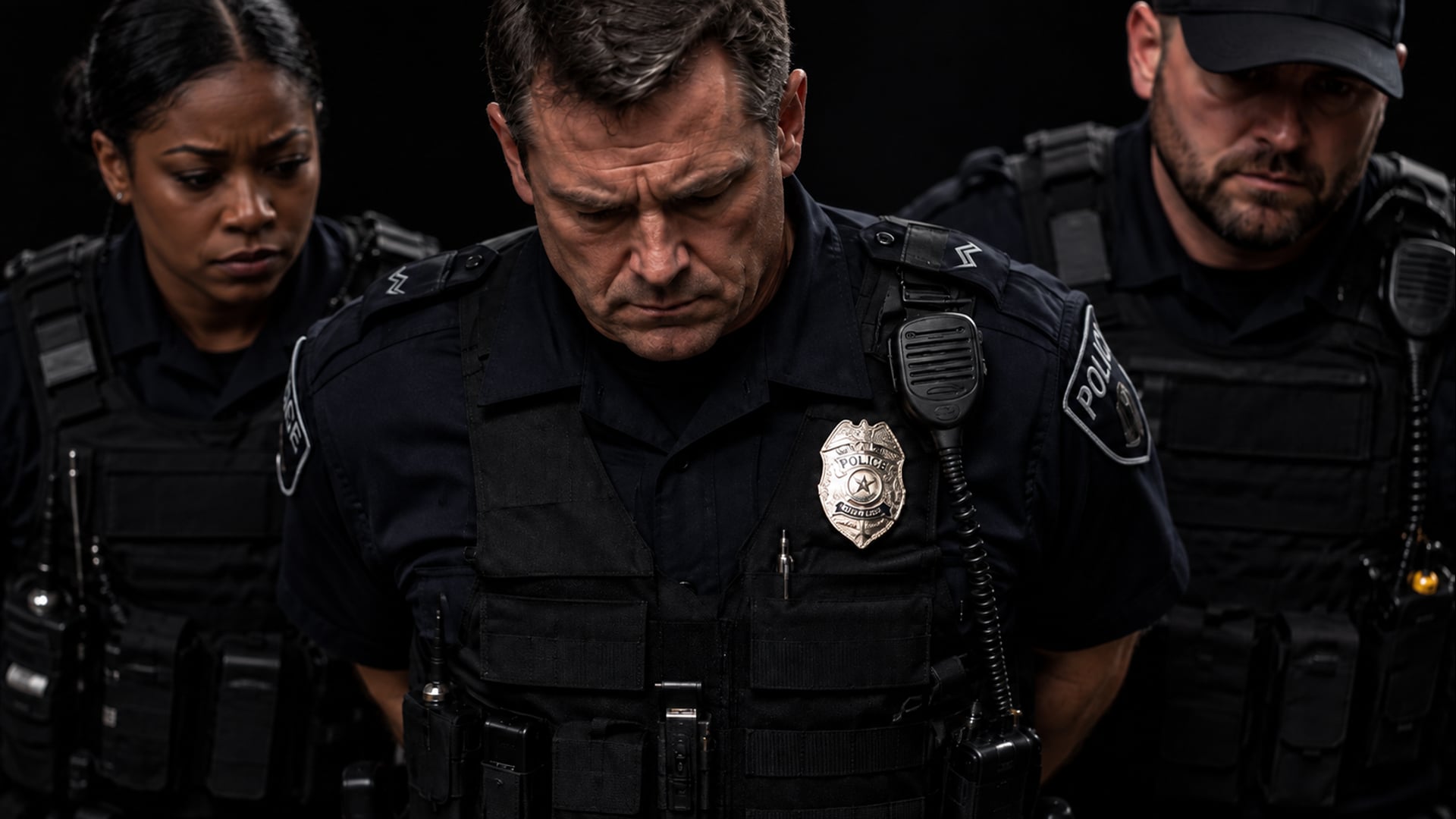 58:18
Policing the Police
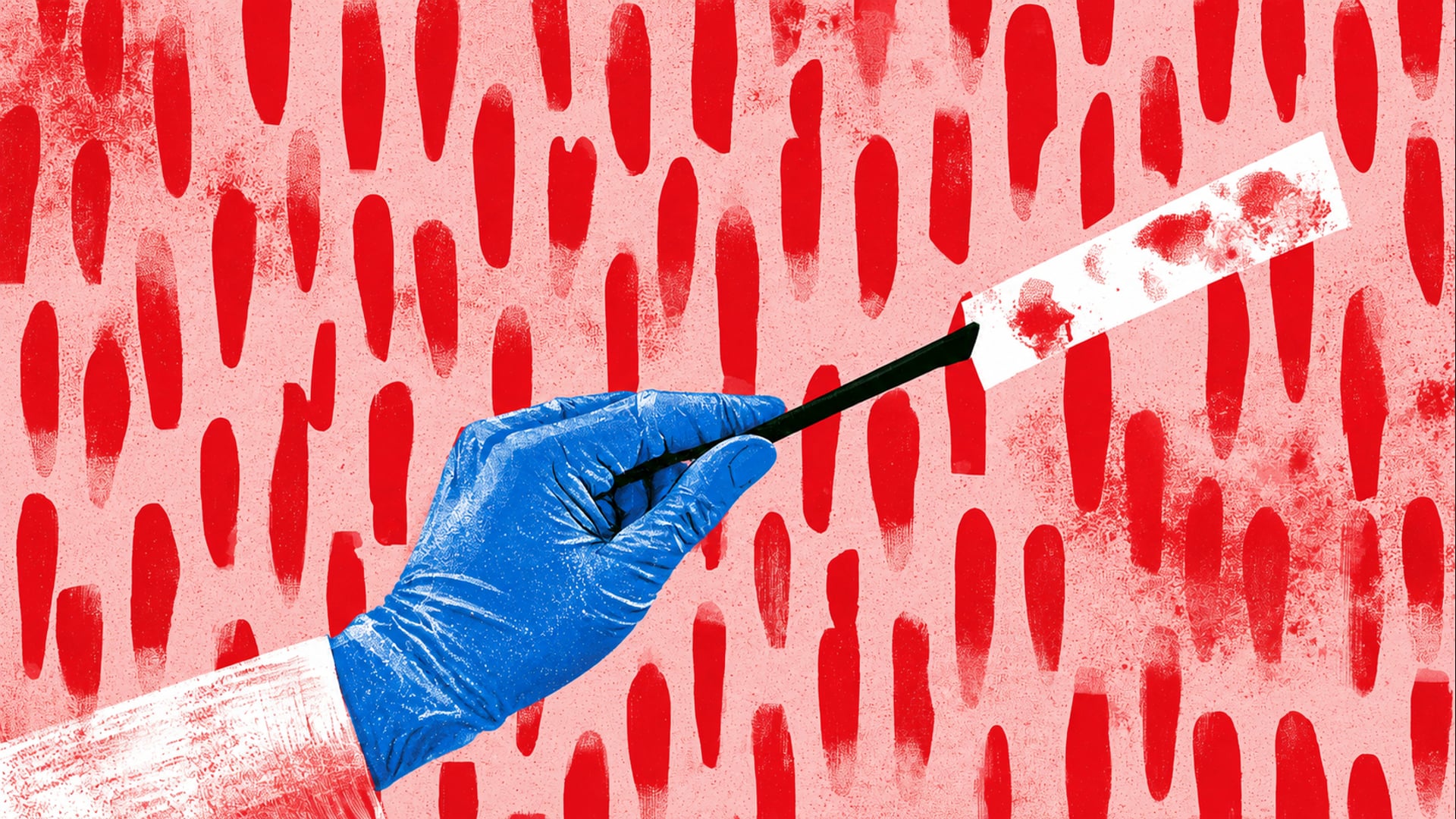 65:50
Pseudoscience and Dubious Forensics
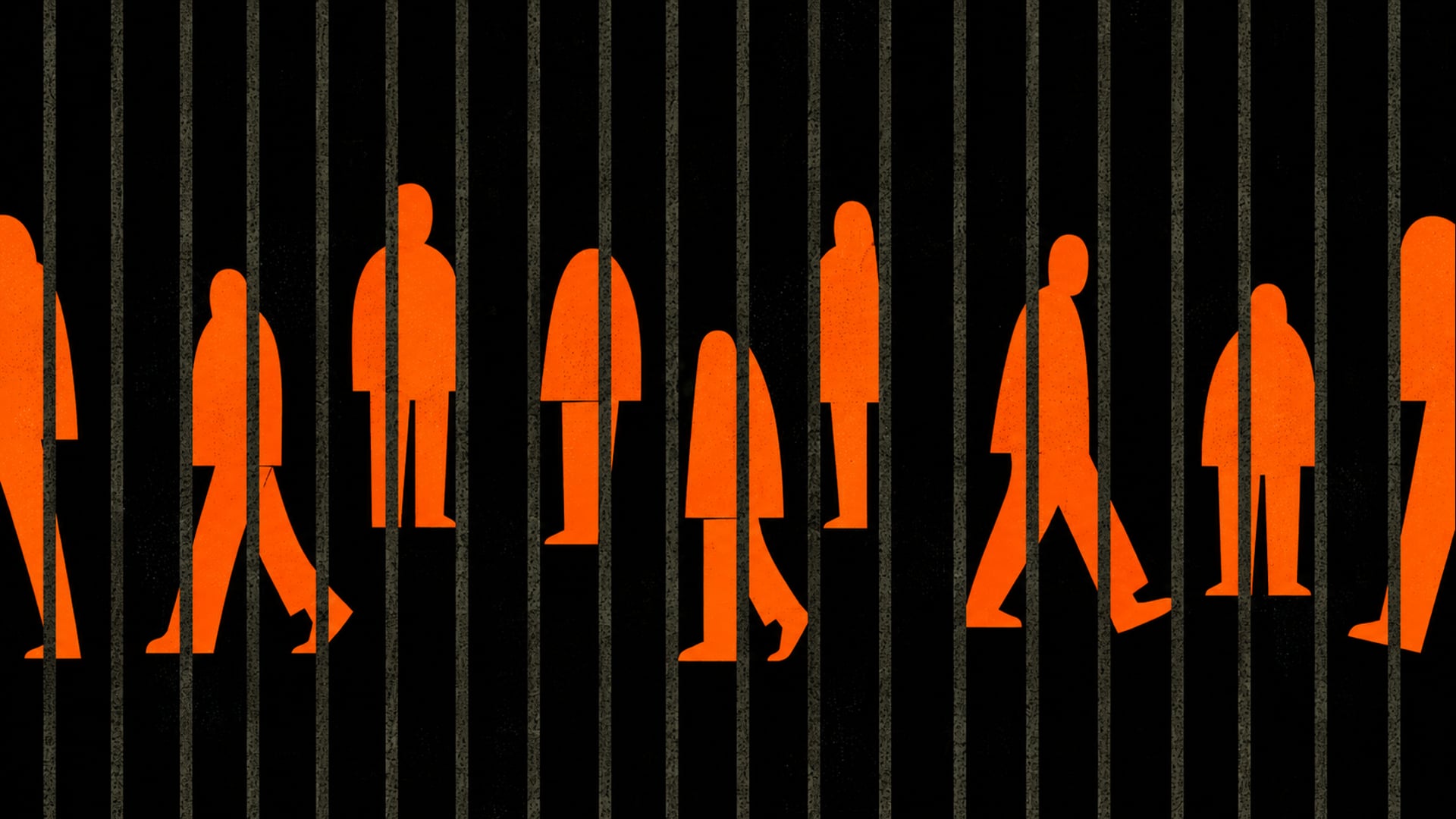 65:21
Mass Incarceration: Causes and Reforms
 1:03:11
Legal Deserts: Rural Lawyer Scarcity
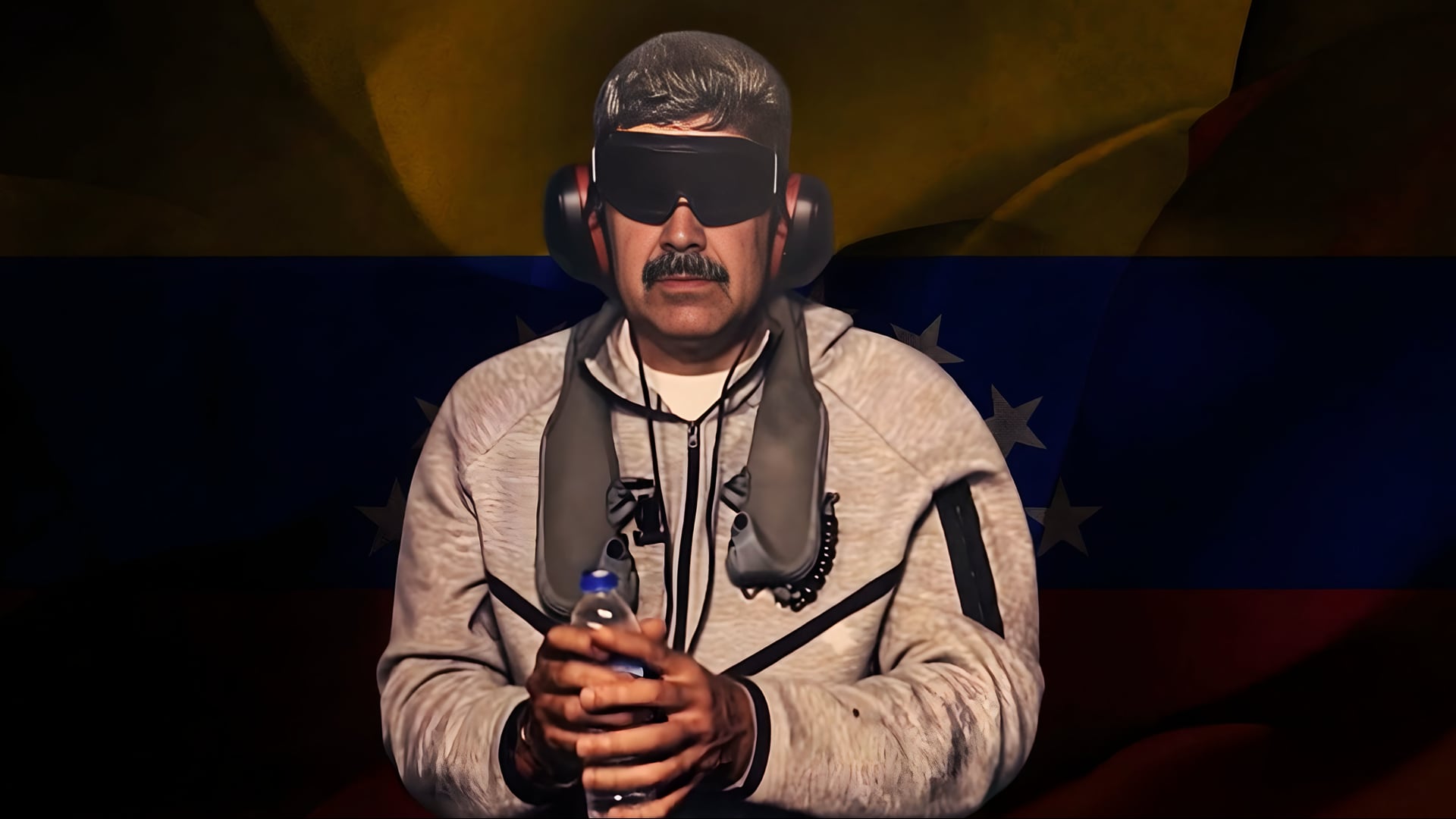 1:02:31
Targeting a Foreign President
 1:03:51
Criminal Lab Grown Meat
 1:03:23
Prosecutorial Discretion – Power & Responsibility
 57:48
Deadly Force as Self Defense
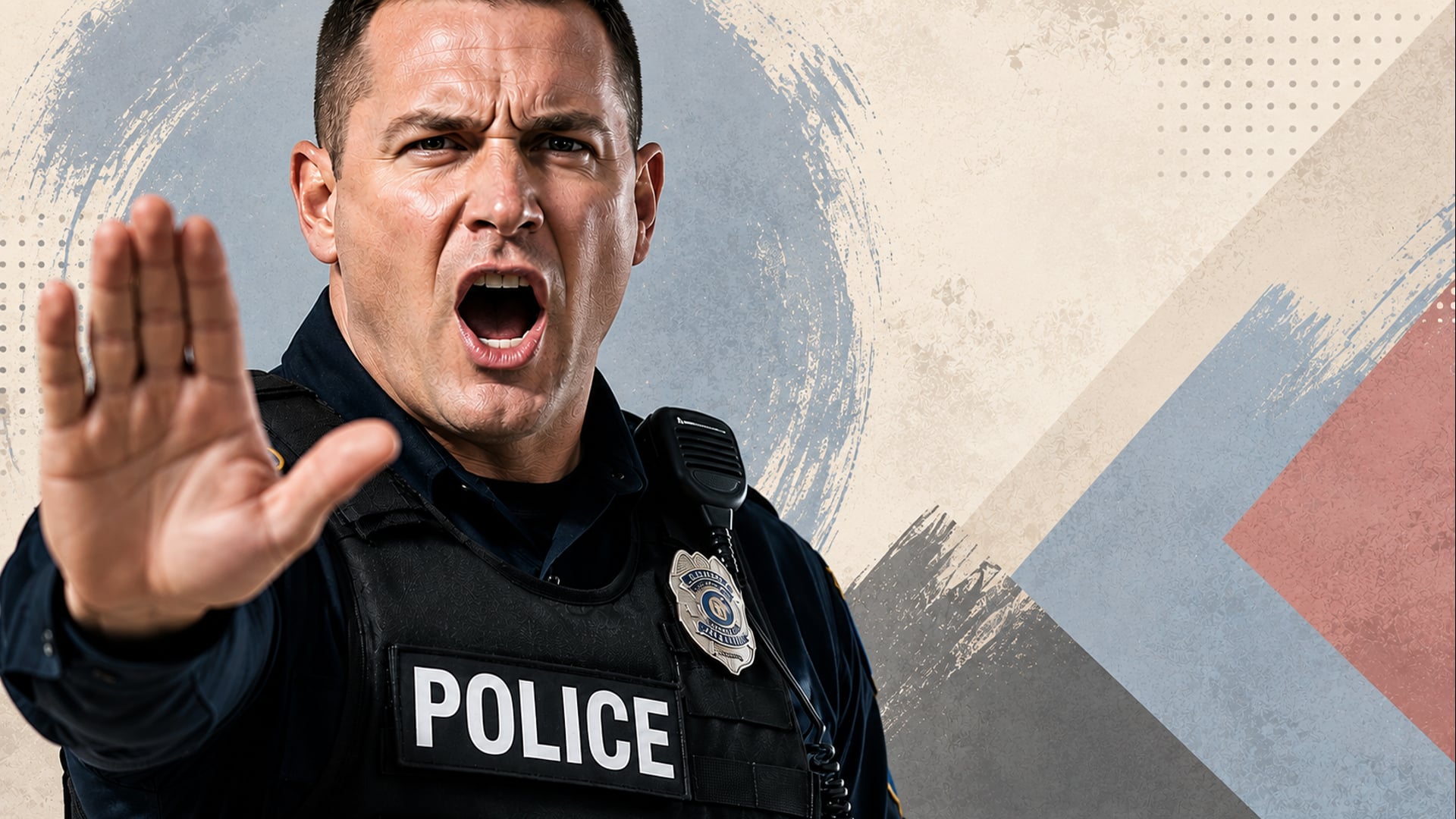 1:03:46
Police Commands & Police Coercion
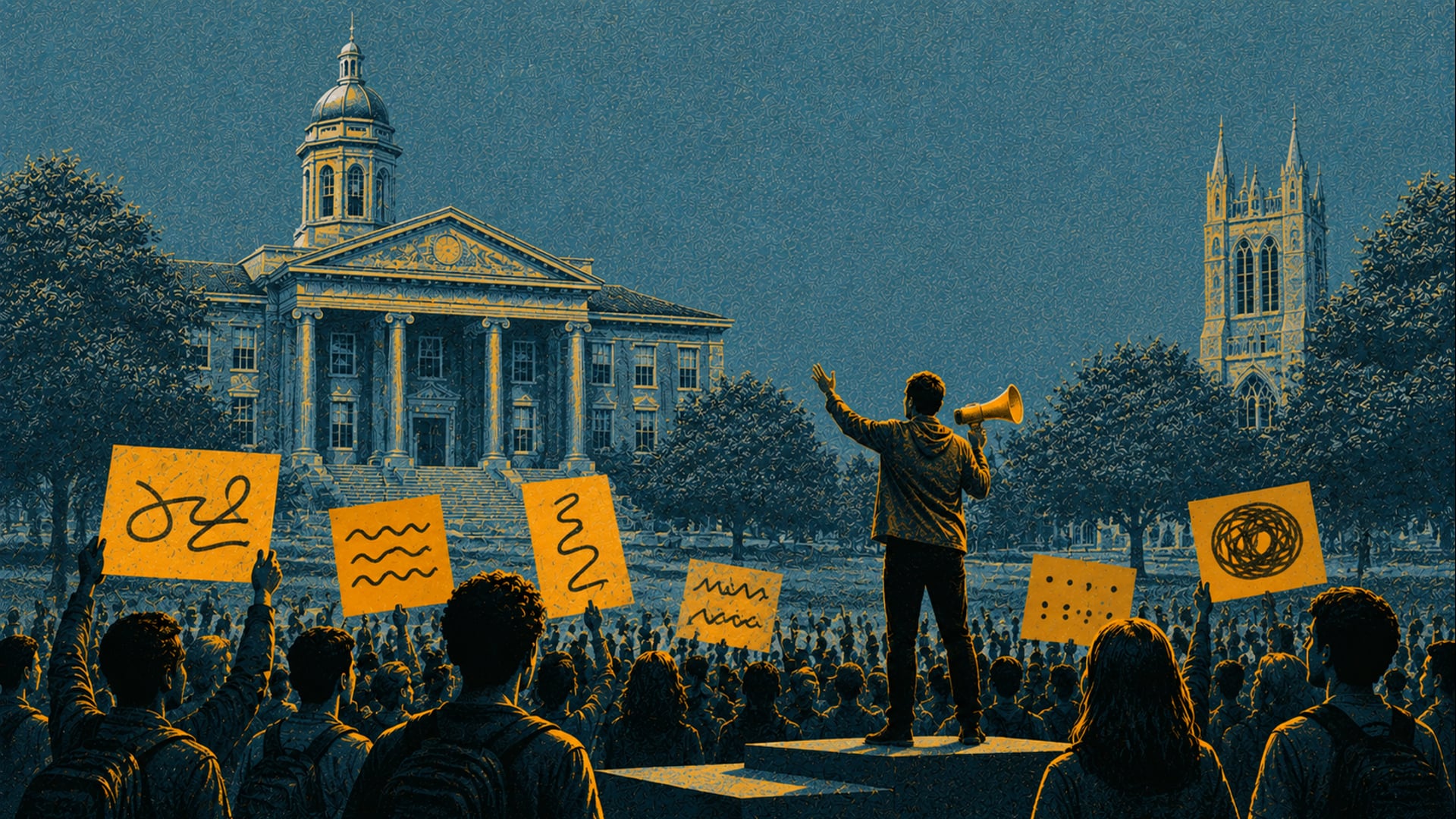 54 min
Free Speech on the Law School Campus
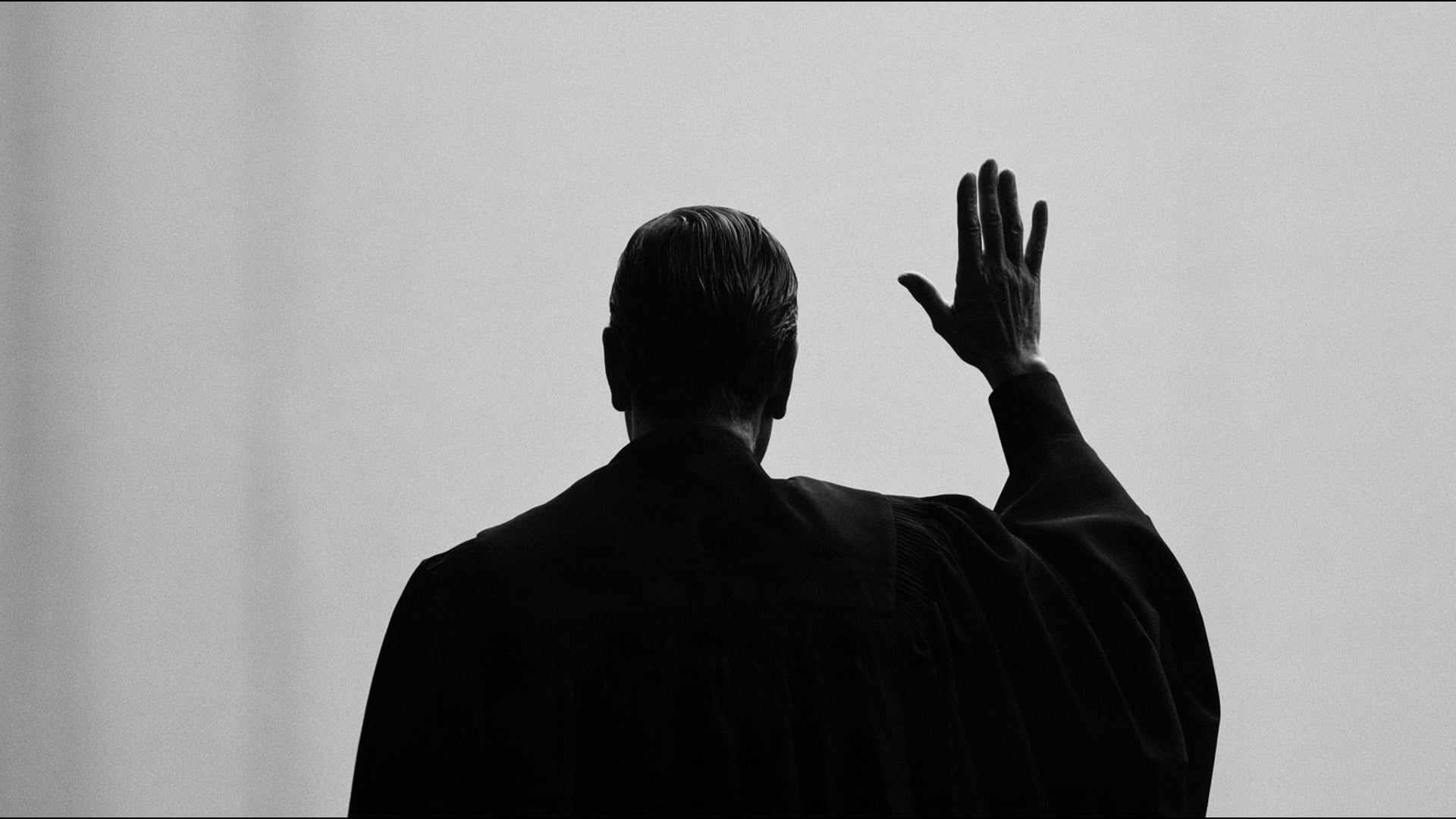 50:29
Recusal & the Bounds of Judicial Bias
 1:00:39
Assisted Reproduction and Parental Rights
 64:37
A Credibility Gap in Cases of Rape
 1:02:33
Poor People Science & Wrongful Convictions
 47:03
Combatting Crypto Money Laundering
 30:53
Ethics and Batson
 29:27
Line Prosecutors v. Main Justice
 38:26
Prosecutorial Discretion – Police Killings and Sexual Abuse
 29:50
Interpreting Emoji
 29:50
Qualified Immunity of the Police
 30:50
The Case for Holistic Defense
 30:17
Lawyers with Bias
 30:29
Cyberbullying and the First Amendment
 34:08
Using Lawyers to Launder Money
 30:59
Cruelty on the Farm - Food Safety and Animal Welfare
 30:30
When Lawyers Break the Law
 32:17
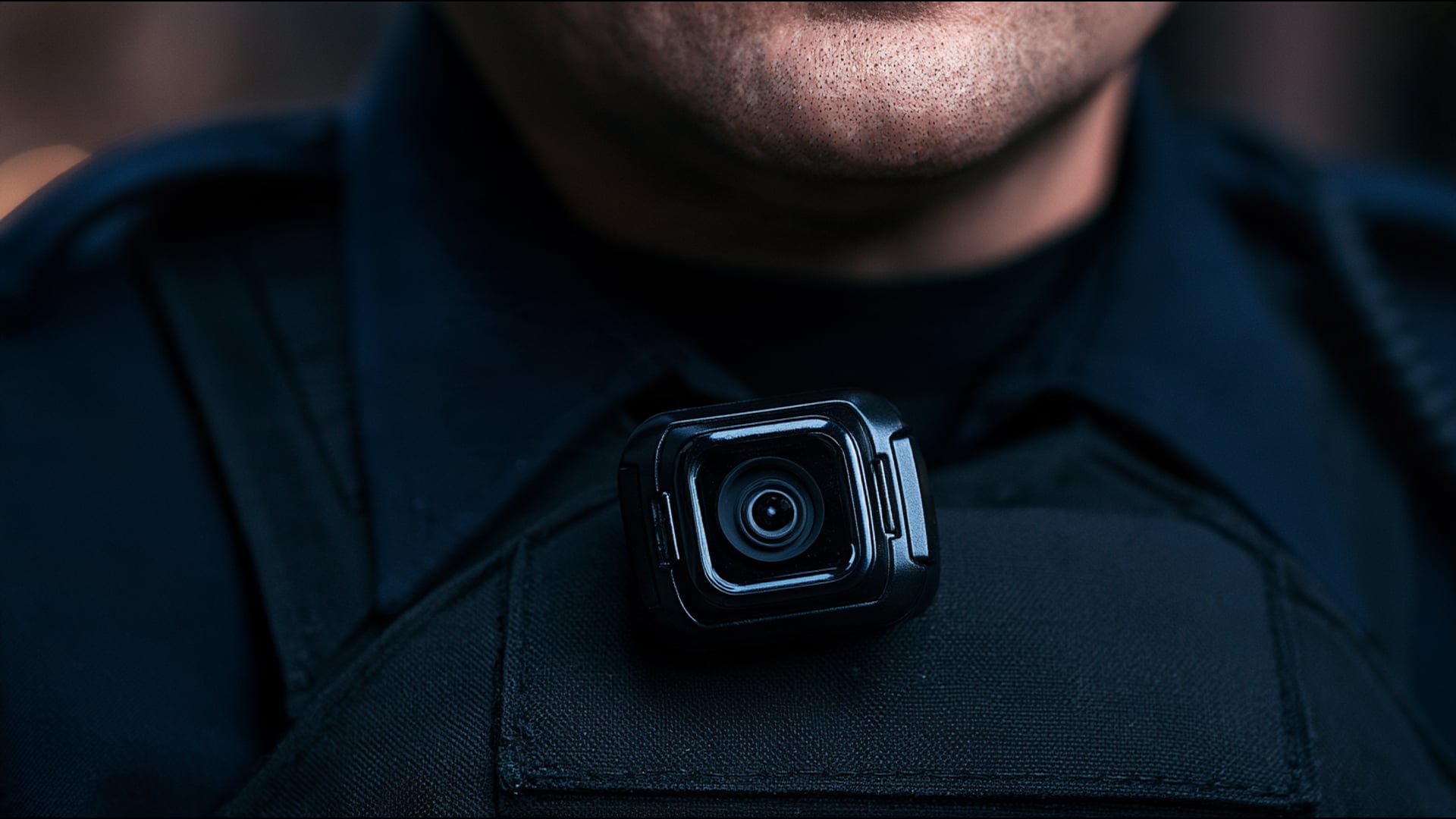
Police Technology - From Body Cameras to Facial Recognition
 31:33
Individual Liberty in Post-9/11 America
 33:25
The Criminal's Brain - Neuroscience in the Courtroom
 28:47
Celebrity Justice & High Profile Defense
 56:18
Selling Human Organs
Briefs
27 legal briefs on this topic
 11:221.1K views
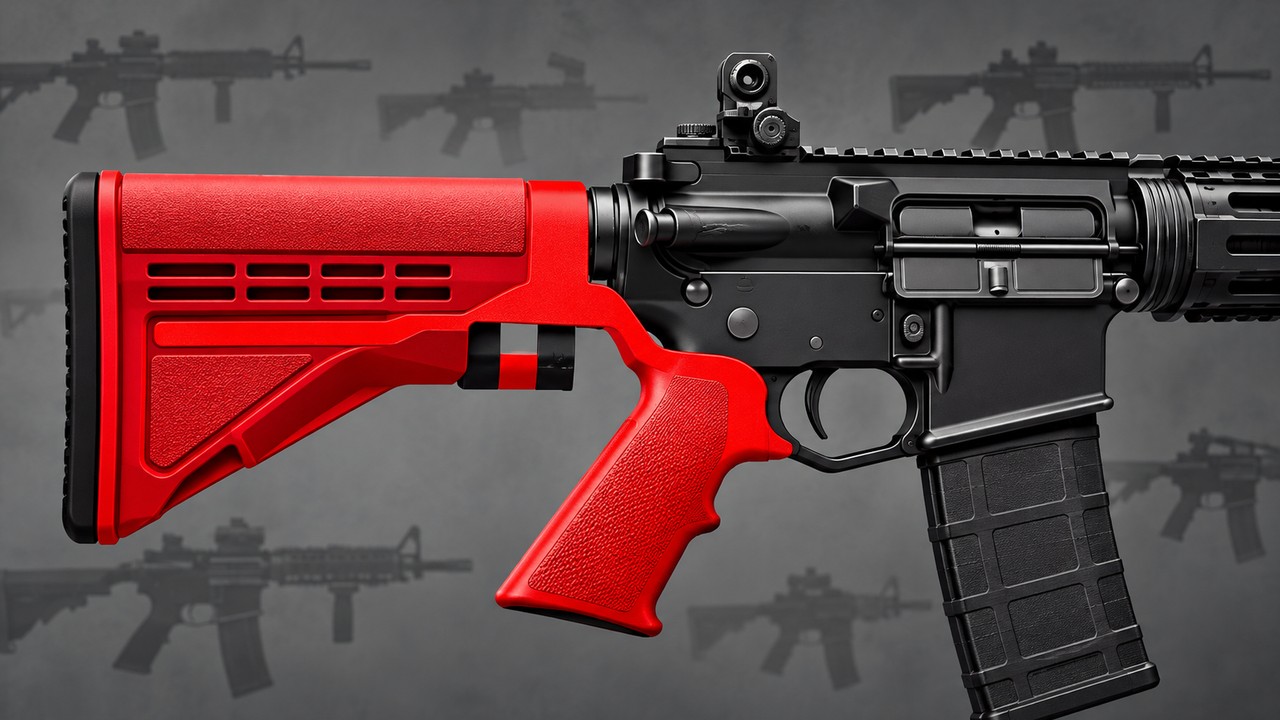
BUMP STOCKS:GARLAND v.CARGILL
Garland v. Cargill (on Bump Stocks) Explained
Prof. Joseph Blocher · Duke Law School
Why the Supreme Court said a bump stock is not a "machinegun" under federal law, and what Congress can do.
 11:0574K views
FELONGUN BANS:LEGAL?
Are Felon Gun Bans Constitutional?
Prof. Jake Charles · Pepperdine Caruso Law
Civic virtue or dangerousness? How courts weigh lifetime gun bans for people with felony records after Bruen
 8:30828 views
2ND-CLASSRIGHT?
Is the 2nd Amendment a 2nd Class Right?
Prof. Joseph Blocher · Duke Law School
Do courts give the right to bear arms less respect than other rights? What the record shows.
 8:221.3K views
COMMANDORREQUEST?
Police Command v. Police Request
Prof. Rachel Harmon · UVA Law
How to tell a police command from a request, why the line blurs, and what happens when you ask which it is.
 7:373.8K views
MUST YOUOBEYPOLICE?
Do you have to comply with police orders?
Prof. Rachel Harmon · UVA Law
Unlawful orders, the right to resist, and why 'comply now, complain later' often leaves no way to complain.
 7:333.5K views
TEXT,HISTORY &TRADITION
Text, History, & Tradition Test
Prof. Joseph Blocher · Duke Law School
How Bruen replaced the two-part framework for gun laws, and why history can be hard to apply
 12:4520K views
NYSRPA v.BRUEN
NYSRPA v. Bruen
Prof. Jake Charles · Pepperdine Caruso Law
How the Supreme Court recognized a right to carry in public and replaced balancing with a history test
 3:183.5K views
STANDYOURGROUND
What are stand your ground laws?
Prof. Kimberly Kessler Ferzan · Penn Carey Law
Stand-your-ground removes one narrow duty to retreat, but force must still be necessary and proportionate.
 2:342.9K views
THE DUTYTORETREAT
What is the duty to retreat?
Prof. Kimberly Kessler Ferzan · Penn Carey Law
No retreat for non-deadly force or at home: when the law requires you to walk away before using deadly force.
 5:00640 views
LOSINGSELF-DEFENSERIGHTS
Forfeiting the Right to Self-Defense
Prof. Kimberly Kessler Ferzan · Penn Carey Law
Initial aggressors, provocateurs, and how you can lose, and sometimes regain, the right to defend yourself.
 4:54
POLICEBRAINSCANS?
Can the Police Require a Brain Scan?
Prof. Emily Murphy · UC Law San Francisco
Cognitive liberty, the Fourth and Fifth Amendments, and why today's fMRI needs a cooperative subject.
 3:15859 views
CANLAWYERSTHREATEN?
Can lawyers use threats in a negotiation?
Prof. Carrie Menkel-Meadow · UC Irvine Law
When threats of criminal charges, bar complaints, or immigration reports cross ethical lines in civil disputes
 6:504.2K views
CAN YOURECORDPOLICE?
Can you record the police?
Prof. Rachel Harmon · UVA Law
The First Amendment right to film police, and when officers can limit it at crime scenes, stops, and arrests.
 5:087.3K views
POLICEDEADLYFORCE
When can police use deadly force?
Prof. Rachel Harmon · UVA Law
The Fourth Amendment limits on police deadly force under Tennessee v. Garner, and why many states go further.
 0:525.7K views
ARRESTEDFOR THEFINGER?
Can you be arrested for giving the finger to police?
Prof. Rachel Harmon · UVA Law
Why the First Amendment protects rude gestures and harsh words aimed at police officers
 5:00
WHO GETSTHEVENTILATOR?
Forced Triage: Allocating Ventilators and Legal Liability in the COVID Crisis
Prof. I. Glenn Cohen · Harvard Law School
How hospitals ration ventilators in a crisis, and the criminal and malpractice risks doctors and nurses face.
 2:52815 views
SUED FORAN EMOJI?
Can You Be Liable for the Emojis You Use?
Prof. Eric Goldman · Santa Clara Law
Courts read emojis together with words, so a gun emoji or a thumbs-up can carry real legal consequences.
 4:228K views
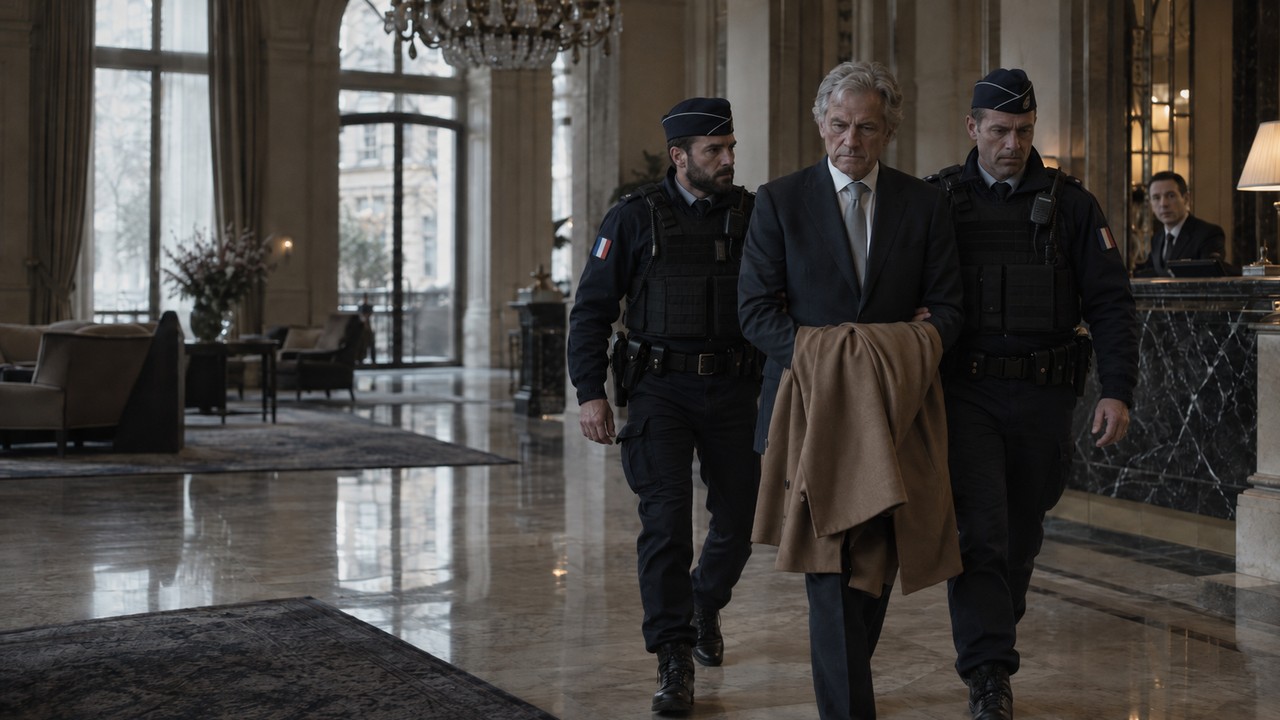
FIGHTINGREVENGEPORN
Combating Revenge Porn
Eboni K. Williams · Lawyer & TV Host
Criminal laws, protective orders, civil suits, and takedown tools for victims of nonconsensual intimate images
 3:435.5K views
PROSECUTINGCRIMESABROAD
When can the U.S. prosecute crimes committed abroad?
Alex Spiro · Quinn Emanuel
How U.S. criminal law reaches citizens, foreign nationals, and conduct overseas, from bank cases to bribery
 3:5414K views
CAN THEPOLICELIE?
Can the Police Lie to You?
Alex Spiro · Quinn Emanuel
When police may lie in questioning, how courts judge voluntariness, and why false confessions happen.
 3:286.9K views
WHAT ISCRIMINALIMMUNITY?
What is criminal immunity?
Prof. I. Bennett Capers · Fordham Law
Use immunity, transactional immunity, and why prosecutors, not judges, decide who gets a deal
 2:22774 views
CAN APRESIDENTOBSTRUCT?
Can a President "Obstruct Justice?"
Prof. I. Bennett Capers · Fordham Law
What counts as obstruction, why a sitting president is not indicted, and how presidential immunity applies.
 1:57634 views
IMPEACHABLECRIMES?
What crimes can trigger impeachment of the president?
Judge Andrew Napolitano · Former NJ Superior Court Judge
Treason, bribery, and high crimes and misdemeanors: the standard for impeaching presidents and judges.
 1:08795 views
DEPORTATIONASPUNISHMENT?
Can deportation be punishment for crime?
Judge Andrew Napolitano · Former NJ Superior Court Judge
Why deportation is a civil consequence of a conviction rather than part of the criminal sentence.
 3:4915K views
RIGHT TORECORDPOLICE?
Is There a Right to Record the Police?
Prof. Jocelyn Simonson · Brooklyn Law School
Most federal appeals courts now protect filming police in public, but buffer laws and immunity still matter.
 2:351K views
RACE &POLICESTOPS?
Can the police use race when deciding who to stop?
Prof. Daniel Capra · Fordham Law
Why a pretextual traffic stop is valid under the Fourth Amendment whenever the officer has probable cause.
 2:39492K views
MUST YOUANSWERPOLICE?
When must you answer a police officer's question?
Prof. Daniel Capra · Fordham Law
Consensual encounters, Terry stops, ID requests, and searches: what you must do and what you can refuse.
Explore More Legal Topics
Every course, every credit category, no per-course fees — all for $249/year. Or try your first course free.