The Shifting Power of Political Parties
An interview with Prof. Richard Pildes
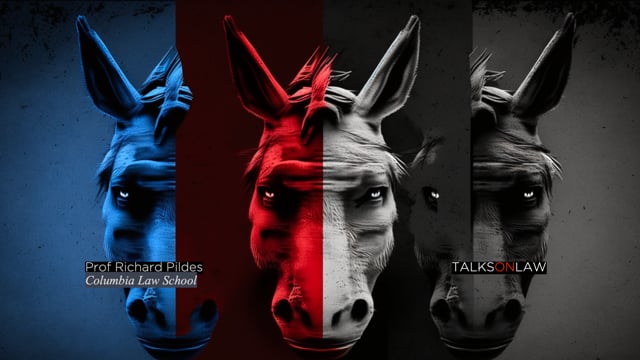
Every US president since 1869 has represented either the Republican or Democratic Party, but in an era of internet funding and increased populism, what powers do the parties retain? How does the legal framework influence the Republican and Democratic parties in selecting their candidates, or conversely, the ability of candidates to buck their party? Professor Richard Pildes of NYU Law School discusses with host Suraj Patel the shifting powers of political parties and the legal changes that have dramatically affected how presidents are elected.
Watch Part 2 of The Shifting Power of Political Parties.
About Prof. Richard Pildes
“[Political parties] become polarized partly because people in the United States are fairly divided. We have significant divisions about issues about philosophy of government.”
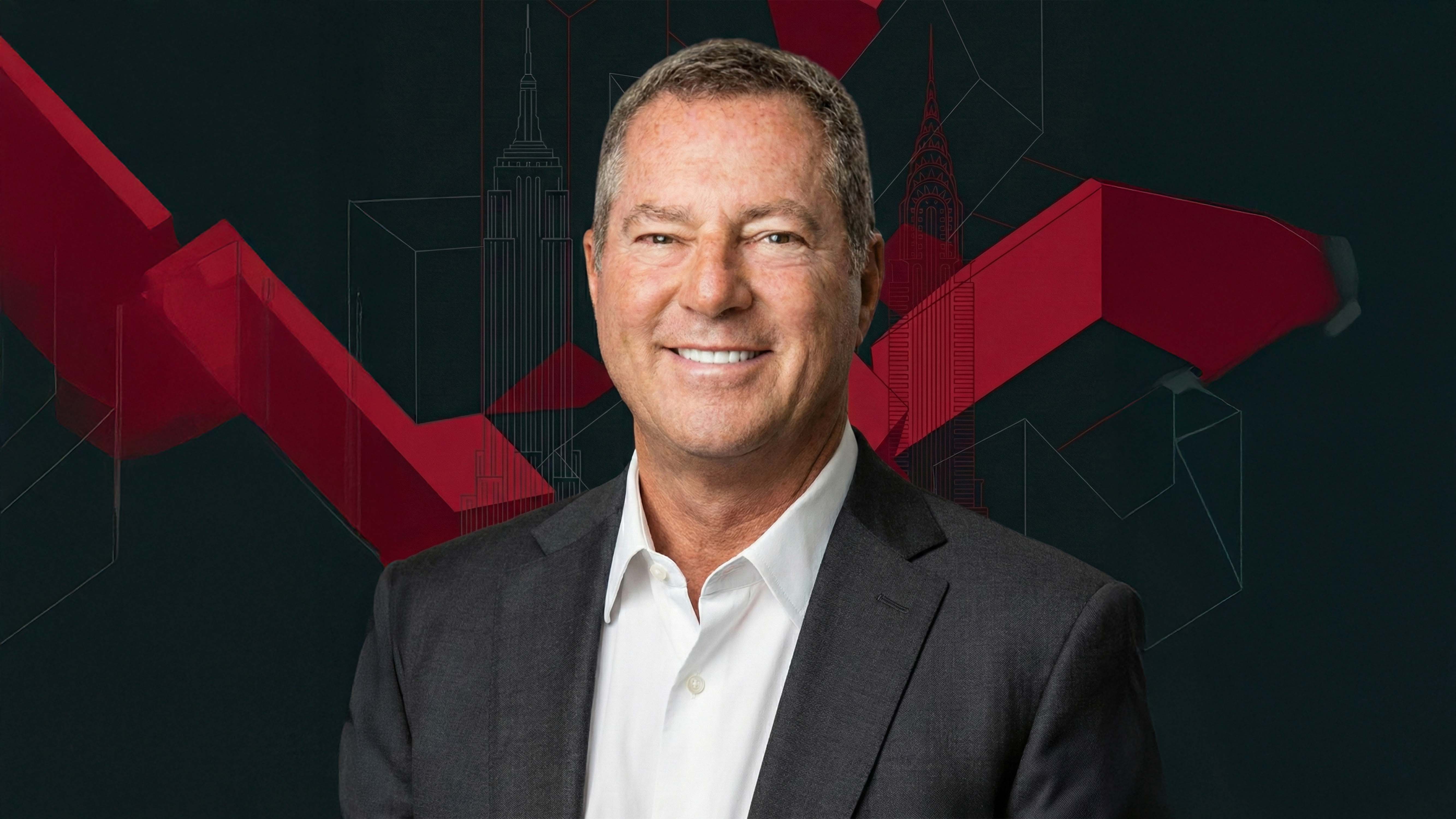
Richard H. Pildes is a professor of law at New York University Law School. Early in his career, Professor Pildes clerked for Judge Abner J. Mikva of the U.S. Court of Appeals for the District of Columbia Circuit and for Justice Thurgood Marshall of the U.S. Supreme Court. He began his career in academia at the University of Michigan Law School after practicing law in Boston. In 2001, he joined NYU School of Law. He is a member of the American Academy of Arts and Science and the American Law Institute, and is also a Guggenheim Fellow and Carnegie Scholar. He has written extensively on issues such as the rise of political polarization in the United States, the Voting Rights Act, national security law, and the role of the Supreme Court in overseeing American democracy, and is frequently cited in Supreme Court opinions. He was also nominated with the NBC News Team for an Emmy Award for the coverage of the 2000 Bush v. Gore Presidential election litigation. Previously, he served as a federal court-appointed independent expert on voting rights litigation and as counsel in successful Supreme Court litigation challenging the operations of the United States Tax Court, and acted as a senior legal advisor in the 2008 and 2012 presidential campaigns of Barack Obama.