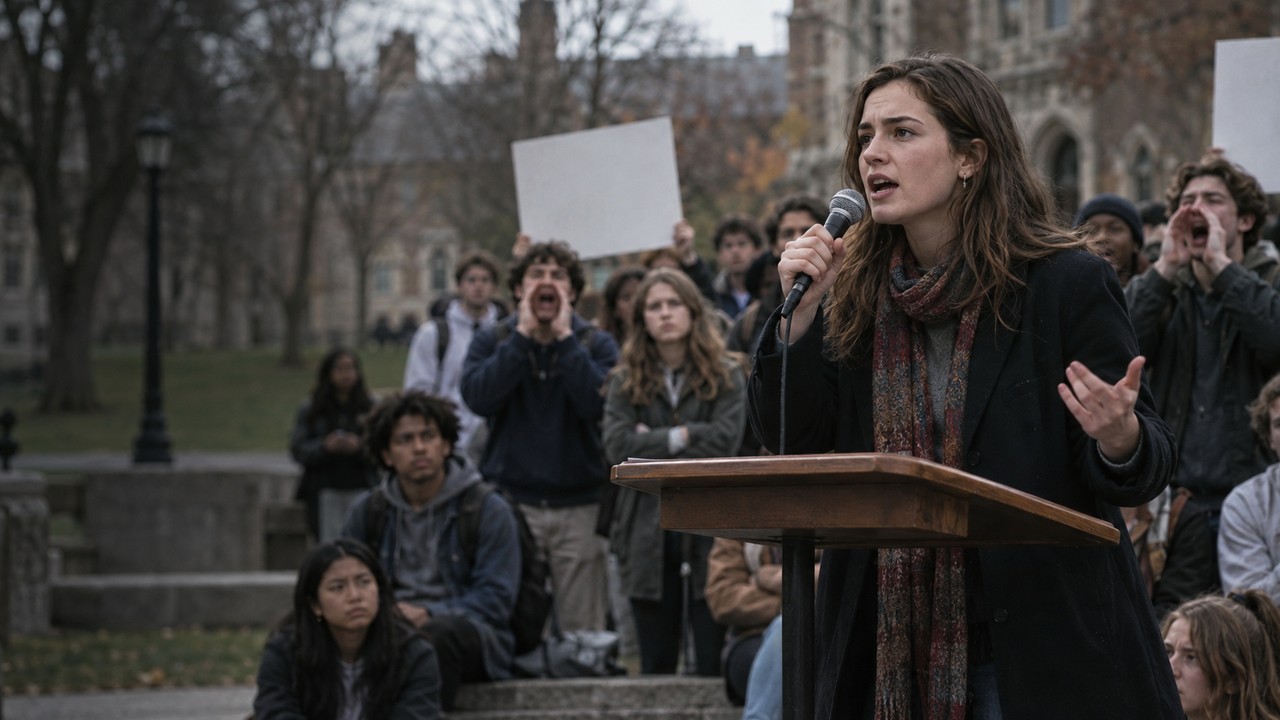
Colleges have long been celebrated as laboratories of ideas, and the modern free speech movement was born on a campus. Yet universities have increasingly faced controversy over canceled events, disinvited speakers, shouted-down lectures, and demands to restrict hateful expression. Where does the law draw the line, and is censorship ever the right answer to hate?
In this TalksOnLaw interview, Joel Cohen sits down with Nadine Strossen, professor of law emerita at New York Law School and a senior fellow at FIRE, former president of the American Civil Liberties Union and author of HATE: Why We Should Resist It with Free Speech, Not Censorship, to explain the First Amendment rules that govern campus speech and why she believes more speech, not less, best advances equality.
The First Amendment Protects Against Government
Strossen begins with a point that surprises many people: the First Amendment restrains only the government, including public universities, not private actors such as companies, social media platforms, or private colleges. Most private universities nonetheless pledge to protect free speech and academic freedom, and those promises can be enforced as a matter of contract.
Two Principles: Viewpoint Neutrality and Emergency
Strossen distills free speech law into two principles. First, government may never restrict speech because it disagrees with, dislikes, or even detests the message. She cites a Charlottesville public school dress code banning "hateful" clothing, including the Confederate flag, which students challenged. Second, government may restrict speech in an "emergency": when, in context, the speech directly causes specific, imminent, serious harm that cannot be prevented any other way. In Tinker v. Des Moines, the Supreme Court protected students' black armbands protesting the Vietnam War, holding that schools may restrict student speech only on evidence of substantial and material disruption. It is the school's job to prevent violence, not to silence the speaker.
Censorship from Every Direction
Calls for campus censorship come from across the political spectrum, Strossen says, although media coverage emphasizes those from the left. That troubles her because they are often made in the name of racial justice, gender equality, and human rights, causes she shares. But her research, and the experience of human rights activists worldwide, persuades her that hate speech laws end up being enforced against the very groups they are meant to protect. She recounts the 2017 shout-down at William & Mary of the ACLU of Virginia's executive director, who had come to speak about students' free speech rights, as protesters chanted "liberalism is fascism."
Provocateurs and Shout-Downs
High-profile disruptions involving Milo Yiannopoulos, Ann Coulter, Richard Spencer, and Charles Murray at Middlebury drew headlines, but Strossen notes that these speakers often appear without incident and that disruptions are a tiny fraction of campus events. She calls the 2019 executive order conditioning federal research funding on campus free speech "a solution in search of a problem." She also warns that shutting down provocateurs builds their brand and amplifies their message.
Protest Versus the Heckler's Veto
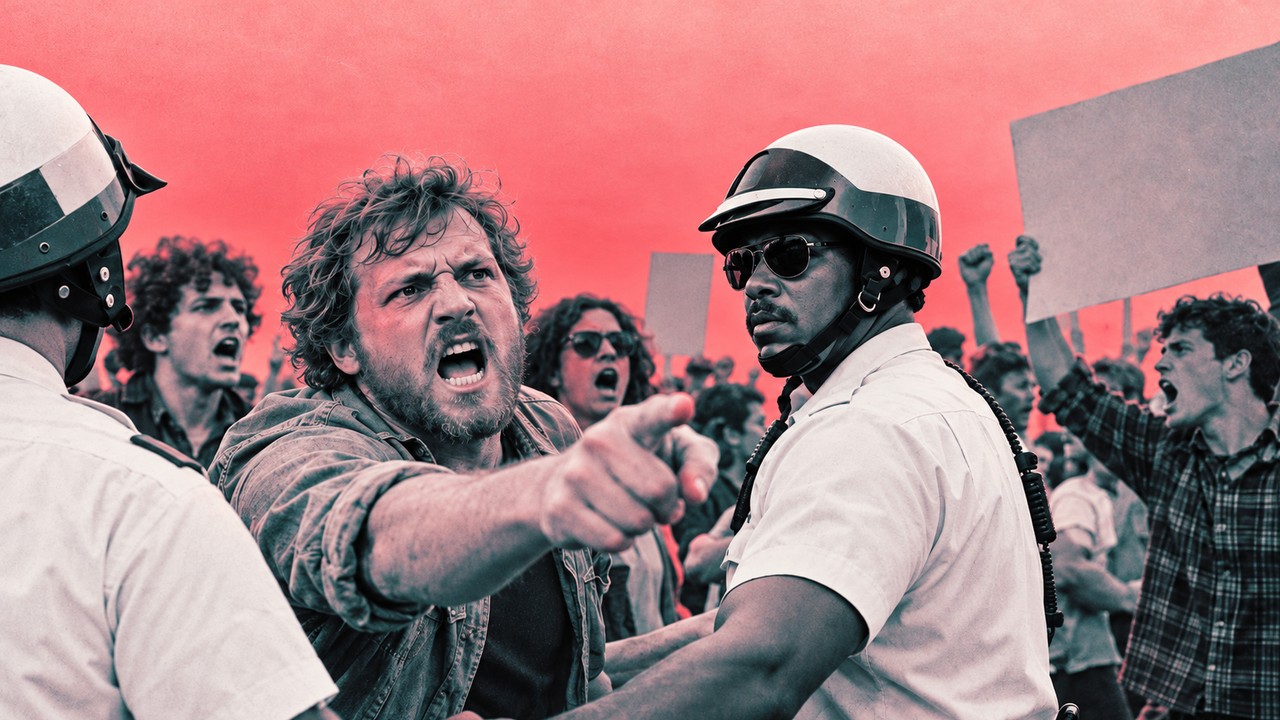
Protesters may boo, hiss, and even briefly shout, but free speech stops at preventing a speaker from conveying a message to a willing audience, which has its own right to hear. The heckler's veto doctrine grew out of civil rights marches, when Southern officials denied permits because counter-demonstrators might become violent. The Supreme Court held that officials must protect speakers rather than silence them, and sustained shout-downs are simply another form of heckler's veto. Only as a last resort, when authorities cannot otherwise prevent violence, may speech be stopped. She points to the mob at Middlebury that assaulted professor Allison Stanger as she escorted Murray out.
Public Forums, Charlottesville, and the Cost of Security
Universities need not open their campuses to outsiders. They make content-based choices about curricula and invited speakers all the time, though Strossen hopes they will invite a real range of views. But once a public university designates an area as a public forum open to all, it cannot discriminate by viewpoint. That is how white supremacists marched at the University of Virginia and how Richard Spencer won a court fight to speak at Auburn. Strossen would not object to universities narrowing such open-forum policies, given the enormous security costs some campuses have borne. Universities may not, however, charge controversial speakers more for security, because that too would be a heckler's veto.
Private Campuses and the Path Forward
Strossen sees no measurable difference in speech protection between public and private campuses, and notes that the University of Chicago's "Chicago Principles" have become a widely adopted model. The goals student activists pursue, including equality, dignity, inclusion, and mental well-being, are better advanced by non-censorship measures: diverse communities, education, physical safety and counseling resources, and more speech raised against discrimination.
What to Know Now
Campus speech became even more contested after 2019. In Mahanoy Area School District v. B.L. (2021), the Supreme Court held that a school violated a student's rights by punishing an off-campus Snapchat post, affirming Tinker while recognizing schools' diminished interest off campus. In Counterman v. Colorado (2023), the Court required proof of at least recklessness for "true threats," which narrowed that exception. Highly publicized disruptions continued, including a 2023 shout-down of a federal appellate judge at Stanford Law School that led the school to reaffirm its commitment to open debate. Surveys by groups such as FIRE report widespread self-censorship among students.
The debate intensified after October 7, 2023, as protests over the war in Gaza and reports of antisemitic harassment put Title VI obligations and free speech in sharp tension. University presidents testified before Congress, some resigned, and many schools adopted stricter time, place, and manner rules and institutional neutrality policies. In 2025 the federal government froze or conditioned billions of dollars in research funding at several universities over antisemitism and other concerns, and moved against some noncitizen student protesters. Those actions led to multimillion-dollar settlements with several universities and to lawsuits, some of which courts found violated the First Amendment. After the September 2025 killing of conservative activist Charlie Kirk at a Utah university event, dozens of faculty and staff were disciplined or fired over comments about his death, and the resulting lawsuits and settlements are testing how far public employers may go in punishing speech on matters of public concern. Supporters see enforcement as overdue protection for Jewish students. Critics, including many free speech advocates, see government pressure on campus speech and academic freedom. Strossen's framework remains the touchstone on both sides: government may not punish viewpoints, but it may address true threats, harassment, and conduct that prevents others from speaking or learning.